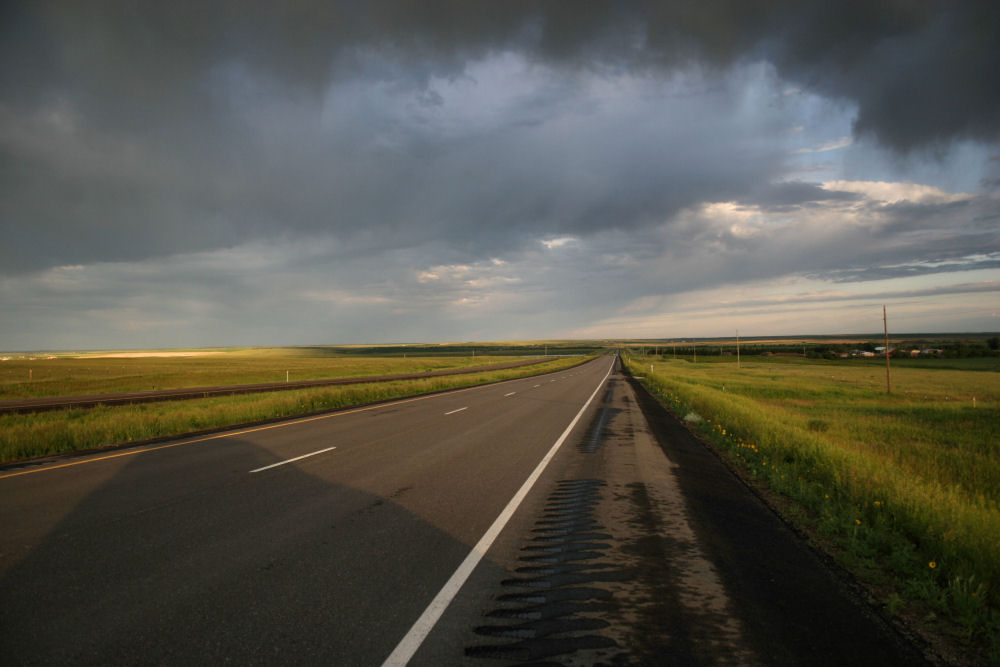
Date: June 27th, 2009 | Comments : none | Categories: clouds, Landscape, North Dakota, Seasonal, Sky, Storms, Summer, sunrise, Travel, Travel USA, USA.
Date: June 26th, 2009 | Comments : none | Categories: blue, clouds, Elements, Landscape, Sky, South Dakota, Storms, Summer, Travel USA, Trees, USA.
Date: June 25th, 2009 | Comments : none | Categories: Architecture, Cultures, Design, Elements, Historic significance, Landscape, Mountains, rocks, Series, Shadows, South Dakota, Summer, Travel, Travel USA, Trees, Unusual Interest, Urban and State Parks, USA.
Date: June 24th, 2009 | Comments : none | Categories: Flowers, Green, Landscape, Seasonal, Summer, Travel USA, USA, wildflowers, yellow.
Date: June 16th, 2009 | Comments : none | Categories: Garden, Reptiles, Seasonal, Summer, Texas.
Date: June 6th, 2009 | Comments : none | Categories: Summer, Tennessee, Unusual Interest, USA.
Date: May 28th, 2009 | Comments : none | Categories: abstract, Design, Garden, golden light, Green, Leaves, Seasonal, Summer, Texas, Unusual Interest.
Date: May 25th, 2009 | Comments : none | Categories: Flowers, Garden, red, Seasonal, Summer, Texas, USA.
Date: May 23rd, 2009 | Comments : none | Categories: Dallas, Garden, Green, Heart Shapes In Nature series, Leaves, Seasonal, Series, Summer, Texas, Trees.
Date: May 22nd, 2009 | Comments : none | Categories: Animals, Anoles, Garden, Reptiles, Summer, Texas, USA.
Date: May 9th, 2009 | Comments : none | Categories: Design, Flowers, Garden, Green, Insects, Leaves, Seasonal, Summer, Texas, USA, yellow.
Date: February 25th, 2009 | Comments : none | Categories: conservation, Environmental issues, Green, Historic significance, issues, petition, Seasonal, Series, South Carolina, Summer, Travel, Travel USA, Trees, Unusual Interest, Urban and State Parks, USA.
Date: January 14th, 2009 | Comments : none | Categories: Animals, conservation, Elements, Environmental issues, Landscape, Summer, Texas, Travel USA.
Date: November 16th, 2008 | Comments : none | Categories: Design, food, Fruit, Garden, Green, pink, Seasonal, Series, Summer, Texas, USA.
Date: November 15th, 2008 | Comments : none | Categories: fruit and veggies, Garden, Green, Leaves, Seasonal, Summer, Trees, USA.
Date: June 26th, 2009 | Comments : none | Categories: blue, clouds, Elements, Landscape, Sky, South Dakota, Storms, Summer, Travel USA, Trees, USA.
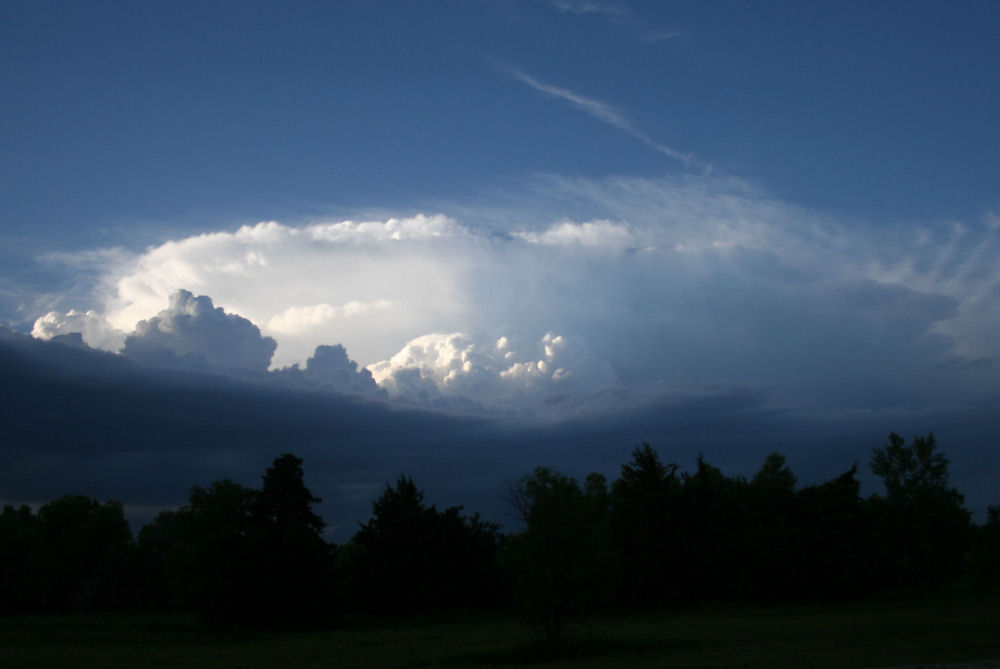 Summer storm, South Dakota
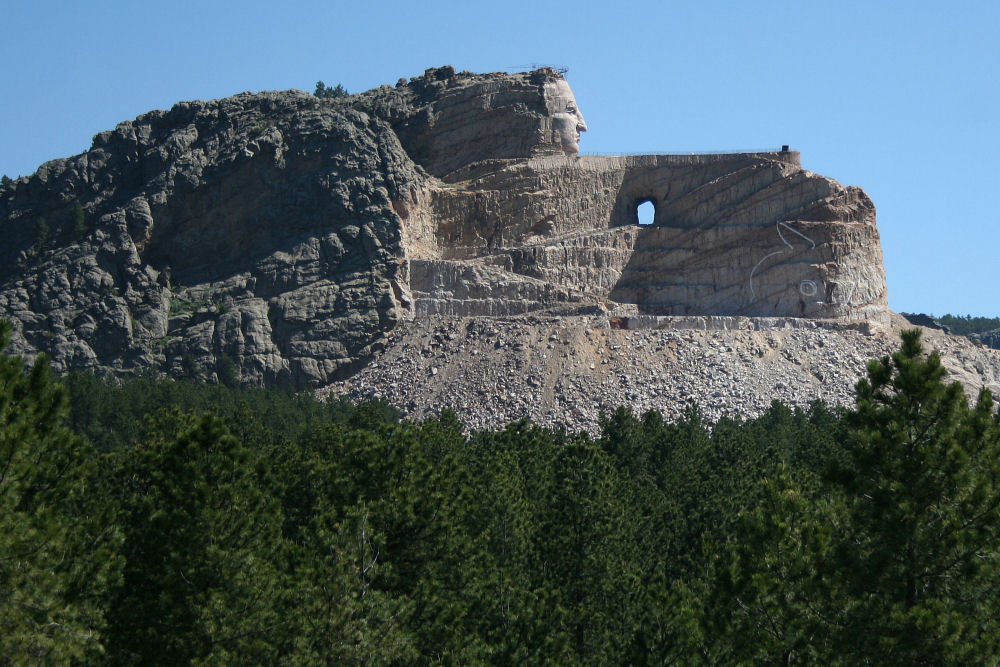
Date: June 25th, 2009 | Comments : none | Categories: Architecture, Cultures, Design, Elements, Historic significance, Landscape, Mountains, rocks, Series, Shadows, South Dakota, Summer, Travel, Travel USA, Trees, Unusual Interest, Urban and State Parks, USA.

_______________________________________________________________________________



_______________________________________________________________________________
Date: June 24th, 2009 | Comments : none | Categories: Flowers, Green, Landscape, Seasonal, Summer, Travel USA, USA, wildflowers, yellow.
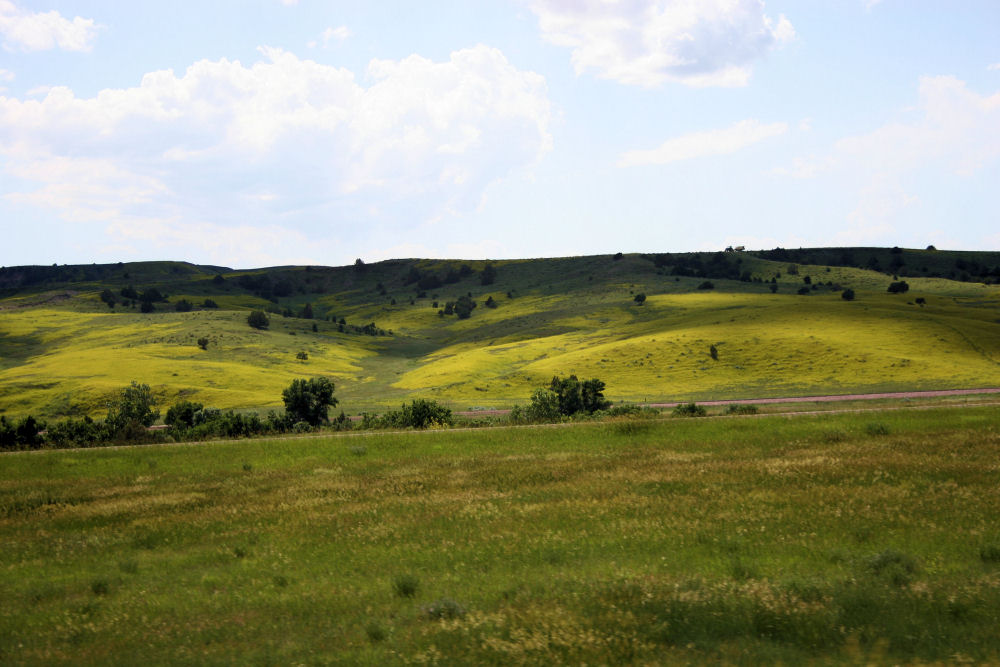
Date: June 16th, 2009 | Comments : none | Categories: Garden, Reptiles, Seasonal, Summer, Texas.
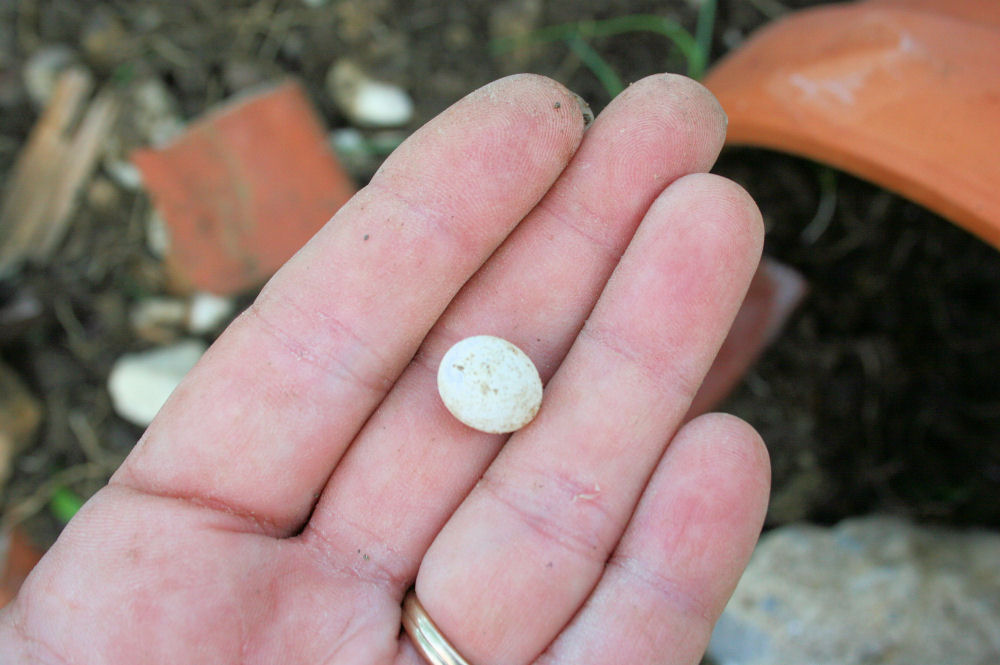 Great garden find! I knew this was a Salamander egg inside a warm, cozy half-buried clay pot because the parent scurried away just seconds before. I would not have disturbed it but was pulling weeds and tidying up that area of the garden. It was carefully put back inside, protected with leaves and grass clippings. If Salamanders are anything like Anoles, they lay eggs and do not return to care for them, so I don’t think handling will make a difference on whether it hatches or not.
Date: June 6th, 2009 | Comments : none | Categories: Summer, Tennessee, Unusual Interest, USA.
 Truck driver relaxing with leg hanging out of the window going 75 mph on Hwy 40, Tenessee
Date: May 28th, 2009 | Comments : none | Categories: abstract, Design, Garden, golden light, Green, Leaves, Seasonal, Summer, Texas, Unusual Interest.
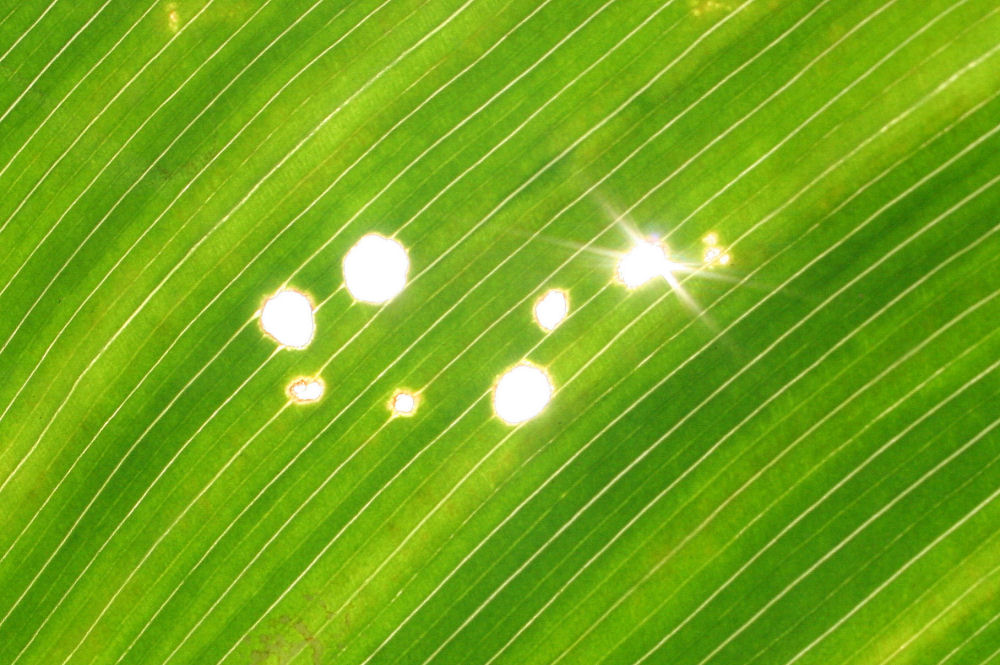
_______________________________________________________________________________
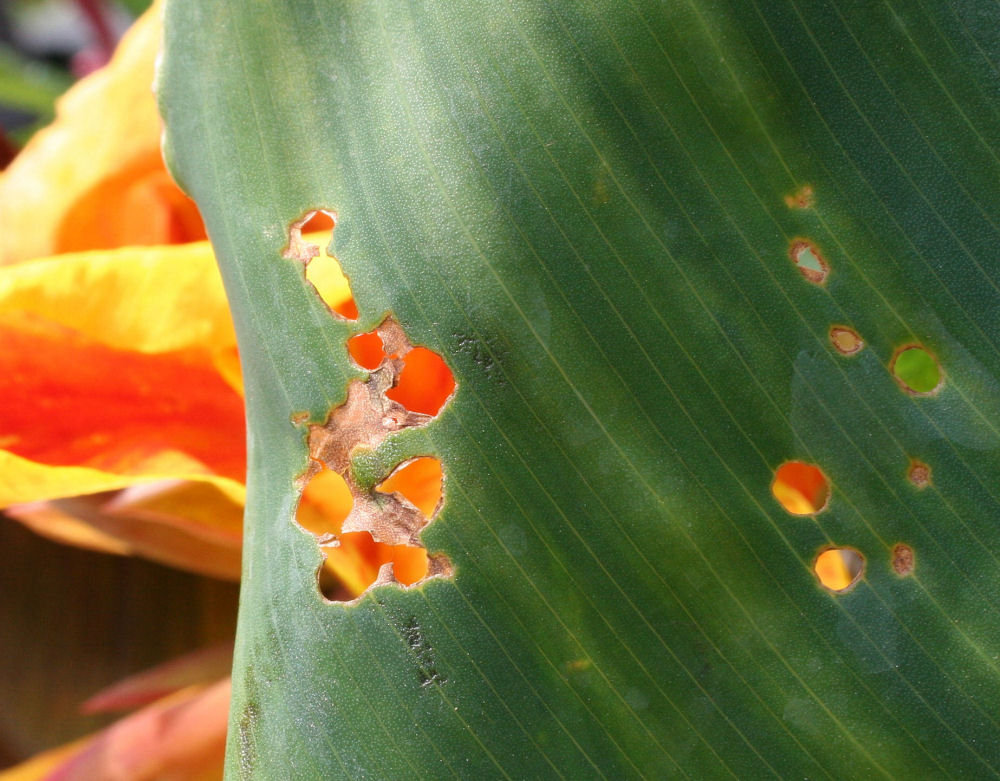
Artist: Anonymous Caterpillar
Dimensions: each hole approximately knee-high to a grasshopper
Medium: Mixed media; Canna leaf, Chlorophyll, Sunlight, etc.
Priceless
Date: May 25th, 2009 | Comments : none | Categories: Flowers, Garden, red, Seasonal, Summer, Texas, USA.

Date: May 23rd, 2009 | Comments : none | Categories: Dallas, Garden, Green, Heart Shapes In Nature series, Leaves, Seasonal, Series, Summer, Texas, Trees.
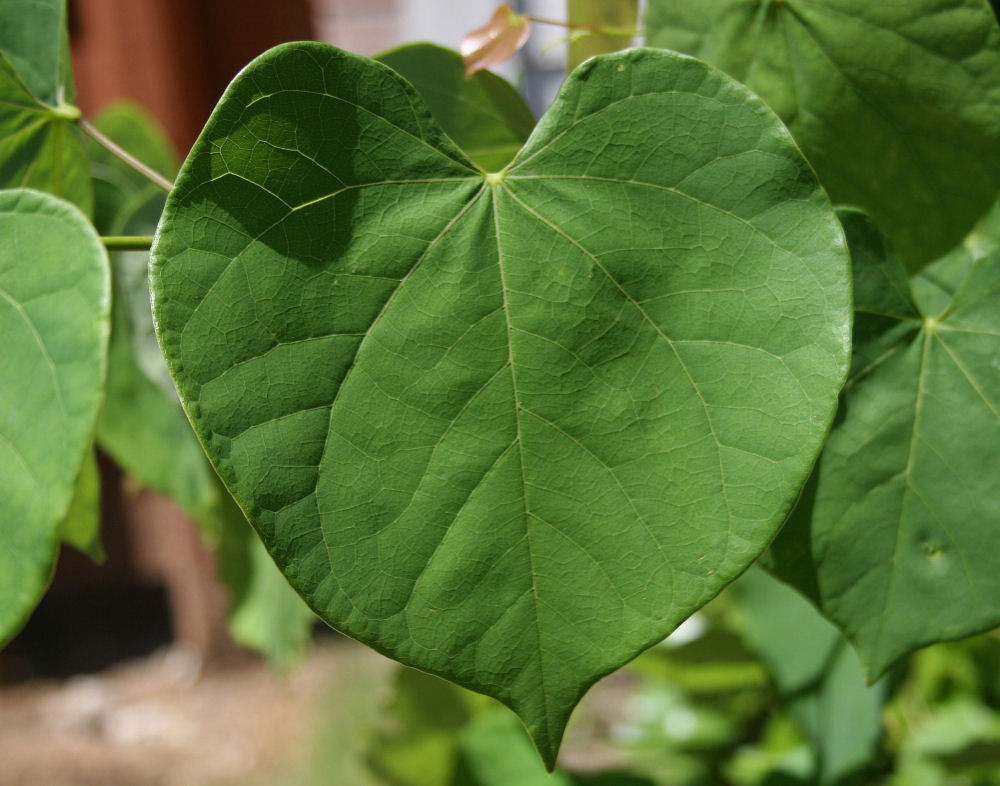 Somerset Maugham said, “There is never enough time for love and art”.
To elaborate:
There is not enough time for love of trees and art.
Date: May 22nd, 2009 | Comments : none | Categories: Animals, Anoles, Garden, Reptiles, Summer, Texas, USA.
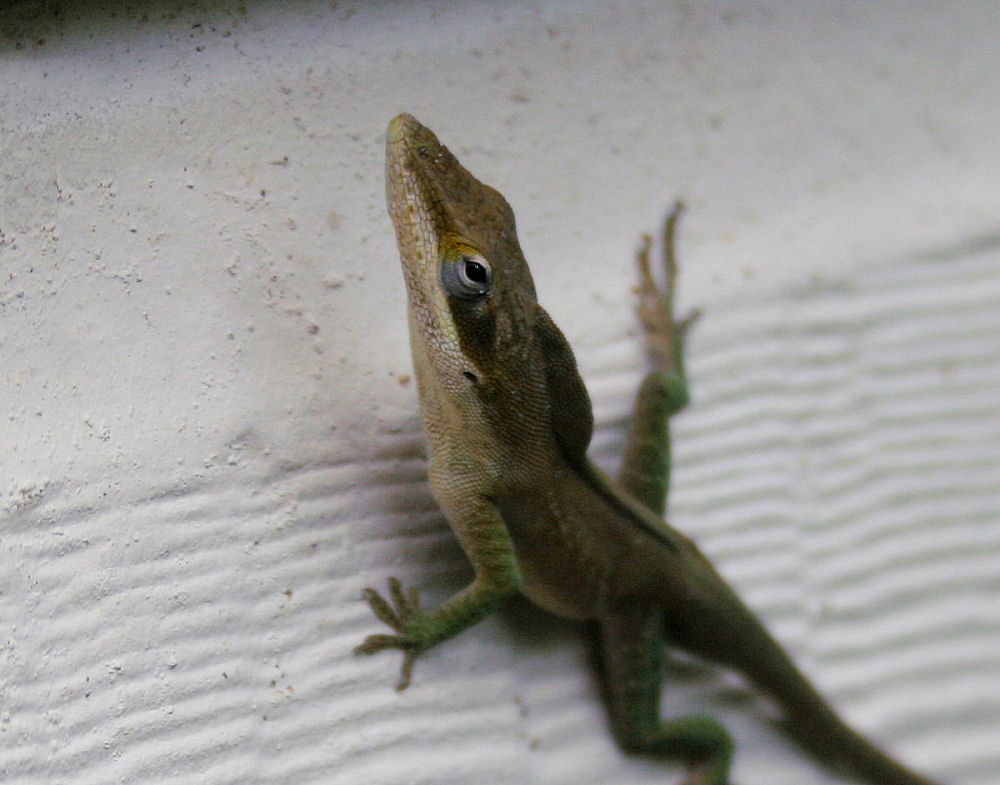
Date: May 9th, 2009 | Comments : none | Categories: Design, Flowers, Garden, Green, Insects, Leaves, Seasonal, Summer, Texas, USA, yellow.
Date: February 25th, 2009 | Comments : none | Categories: conservation, Environmental issues, Green, Historic significance, issues, petition, Seasonal, Series, South Carolina, Summer, Travel, Travel USA, Trees, Unusual Interest, Urban and State Parks, USA.
Update – originally posted September 11, 2008
~
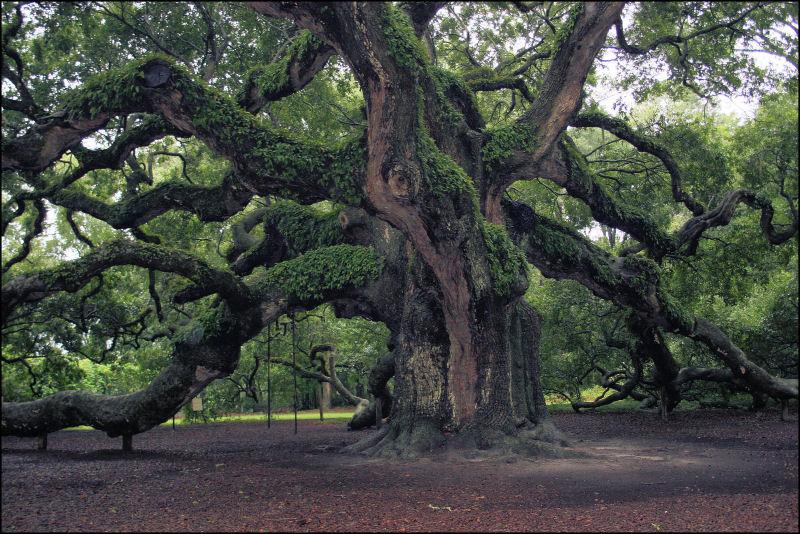
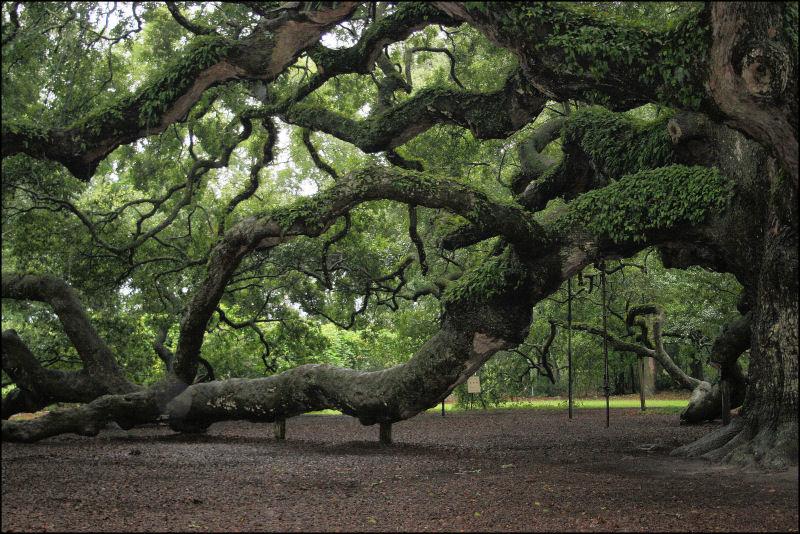
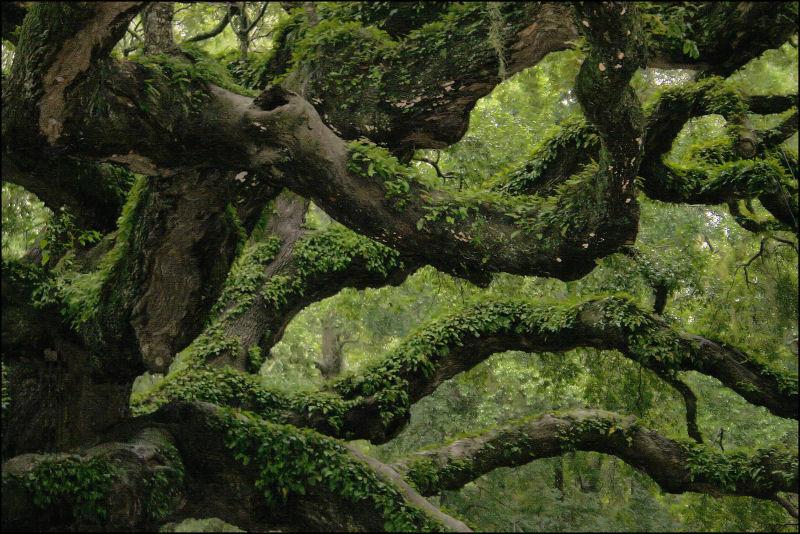
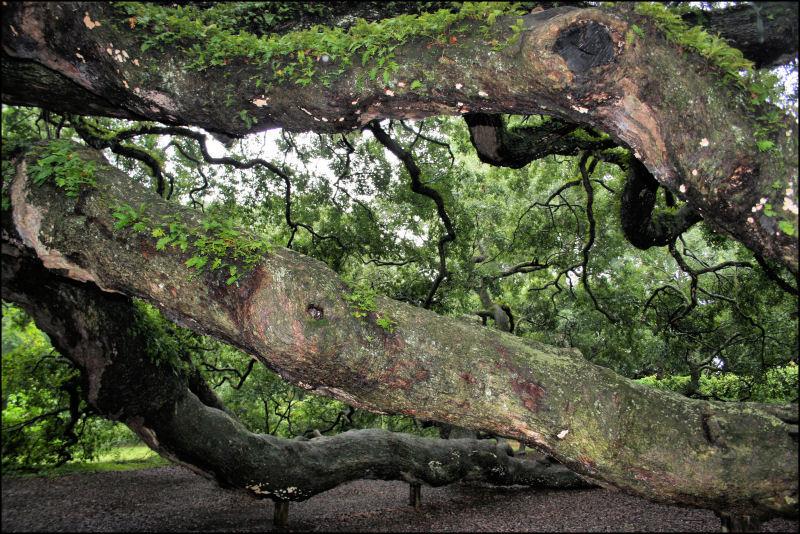
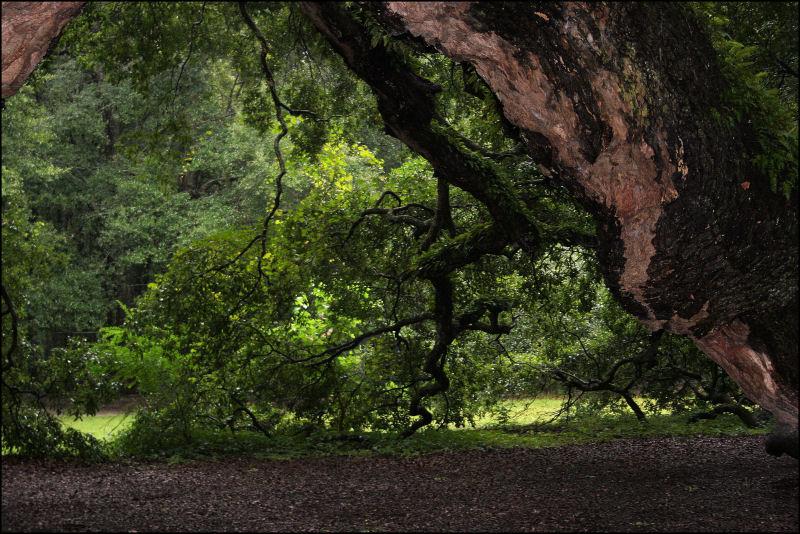
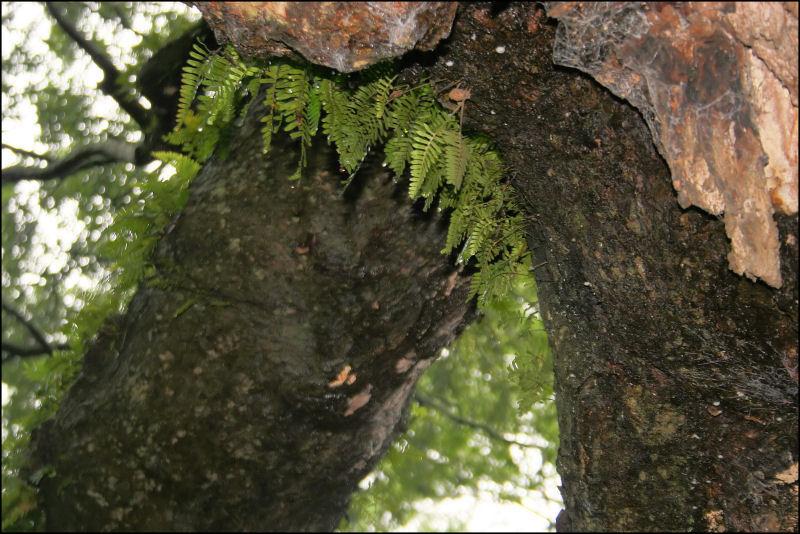
This set of photos honors the efforts of a petition to halt construction on John’s Island, South Carolina that would have encroached on an area of land boasting an Oak tree estimated to be between 300 and 400 years old.
Charleston, SC is proud of its heritage and respected for its commitment to preserving history in the area. Thanks to individuals rallying together and signing a petition, we are reassured that small efforts can and do make a difference on this planet. The land surrounding the Angel Oak is no longer in jeopardy. 17 acres were purchased by Lowcountry Land Trust, protecting the area adjacent to the tree.
Initially I wrote a longer article promoting the petition and website, which is no longer active. There were pages of exclamations by tourists who have visited the area specifically to see the Angel Oak, and interesting comments and pleas from residents who have fond memories of climbing the branches as children, and whose children now do the same. A nearby elementary school carries its’ name.
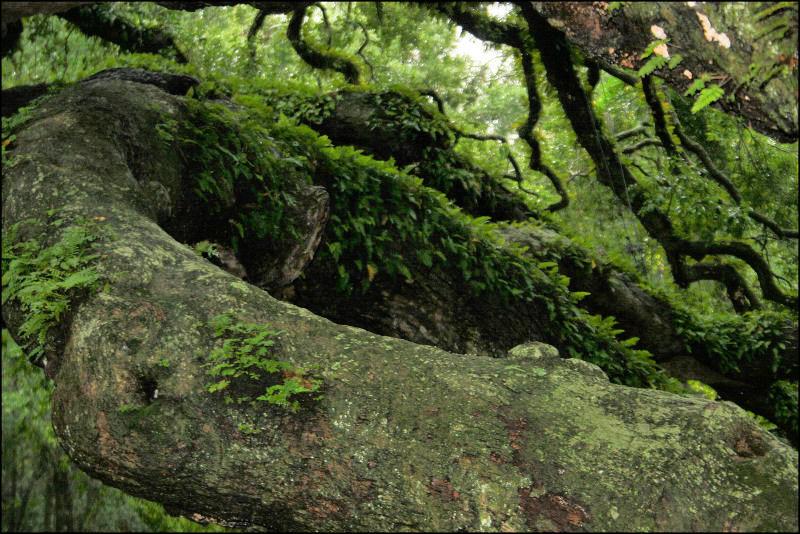
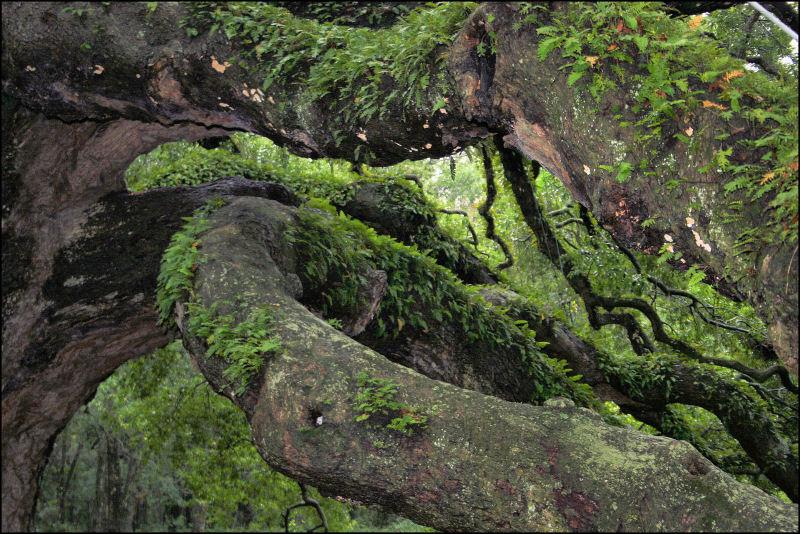
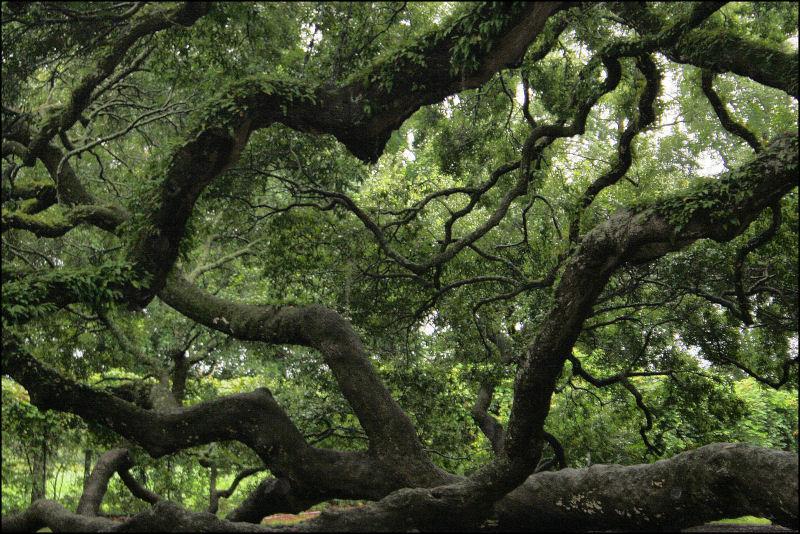
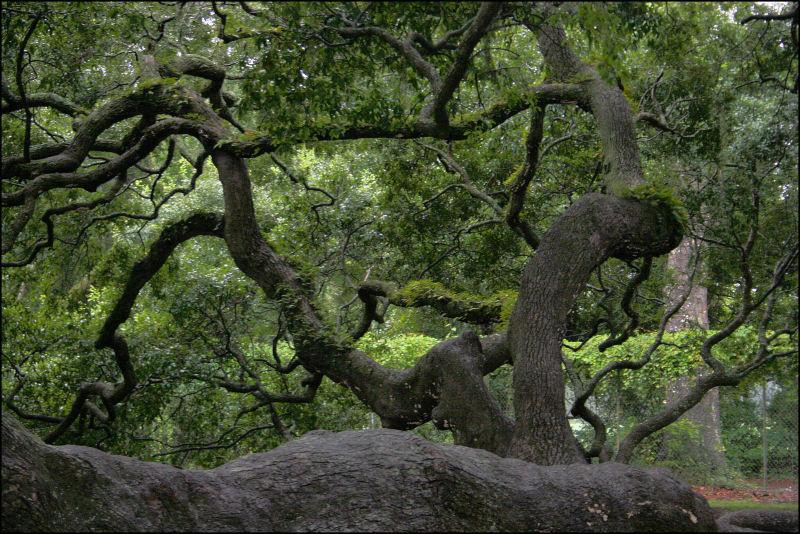
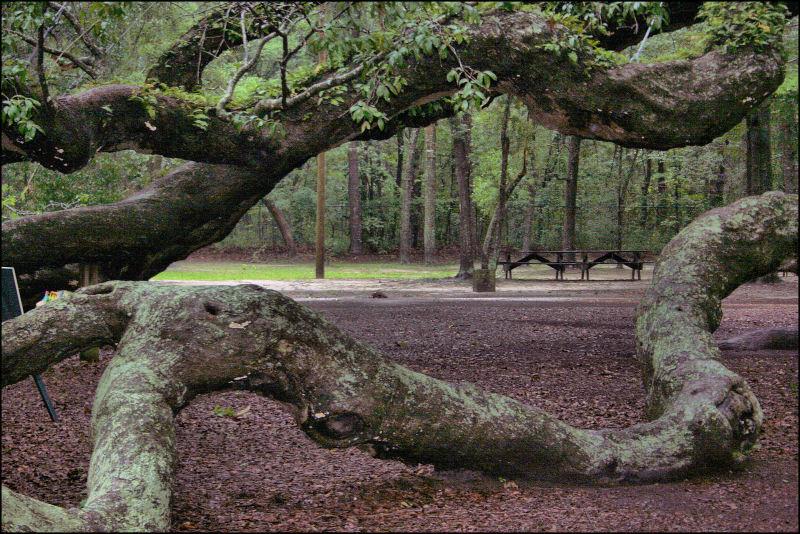
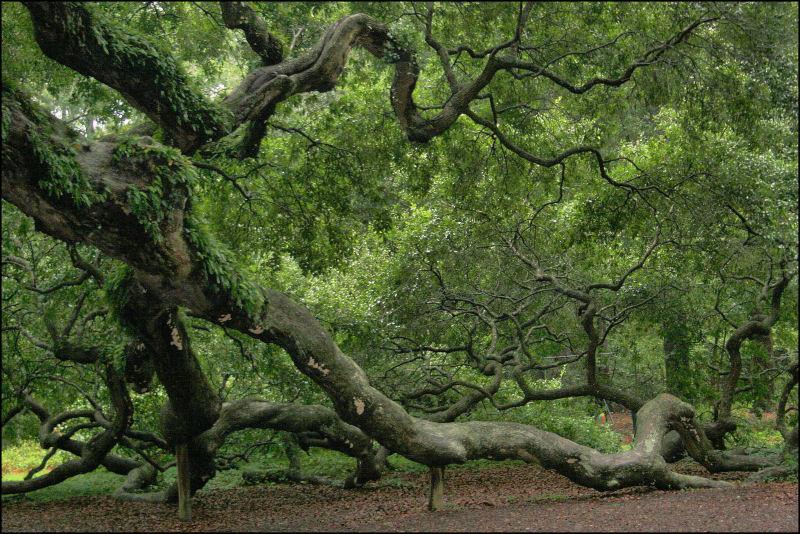
During the summer of 2008, my husband and I drove through South Carolina and took a short detour to John’s Island because I had heard of the tree and was very curious to see it. We drove through wicked rains at the edge of Tropical storm Faye, so when we arrived at Angel Oak park no one else was there. The tree trunk and lower branches are so immense, many have been propped up with stakes and heavy cables here and there, which is a little intrusive for photo-taking, but obviously necessary. Growth is spread outward more than upward, occupying an enormous space at least 150 feet wide.
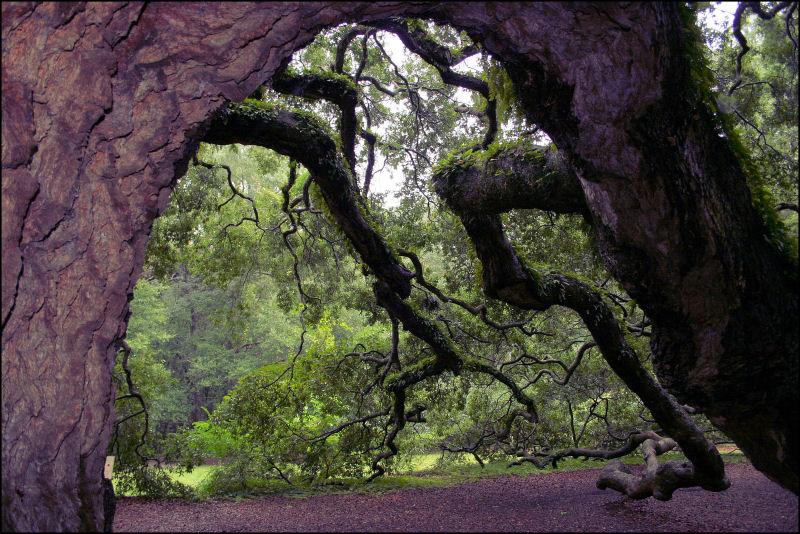
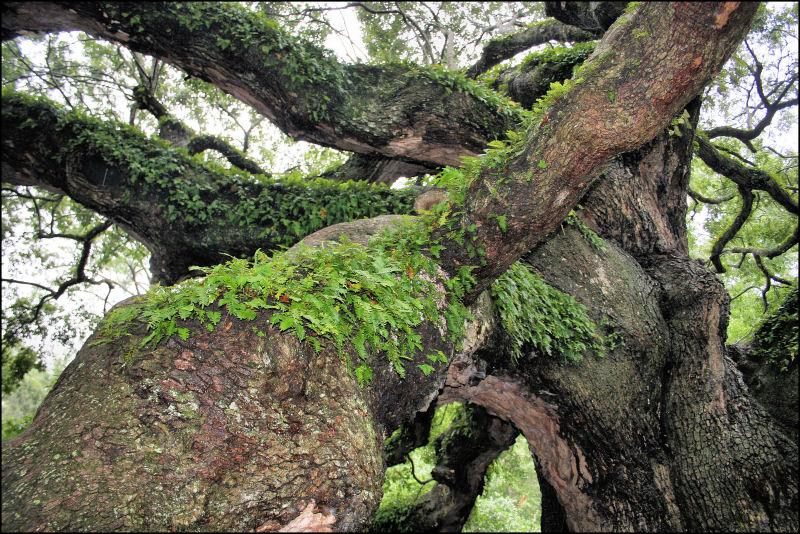
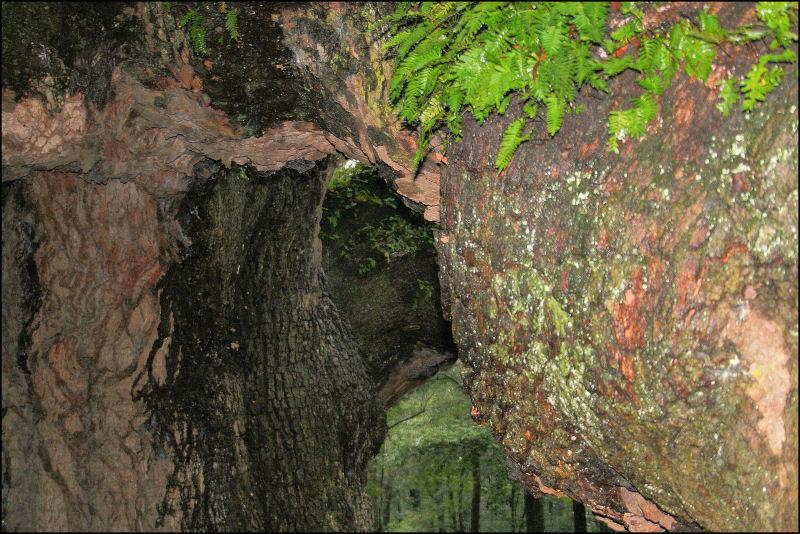
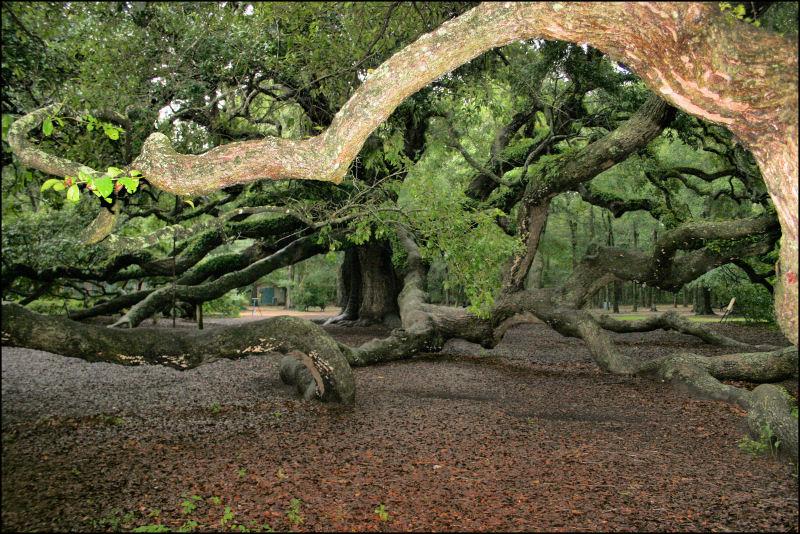
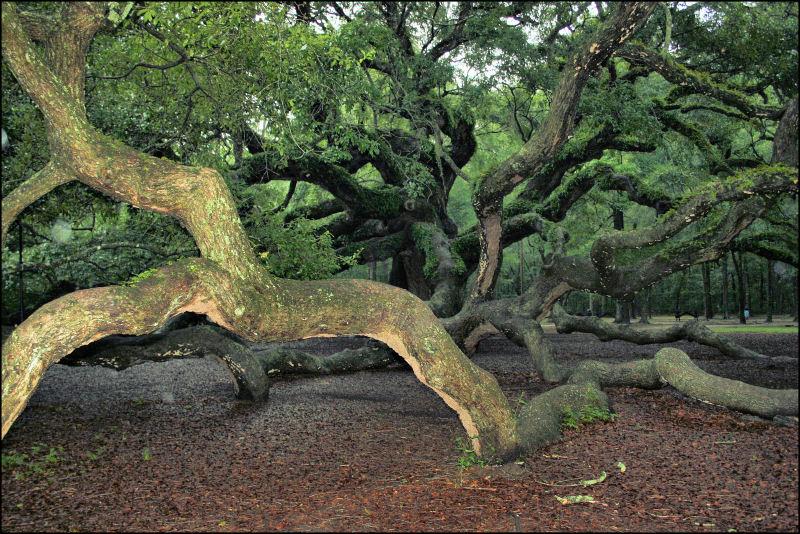
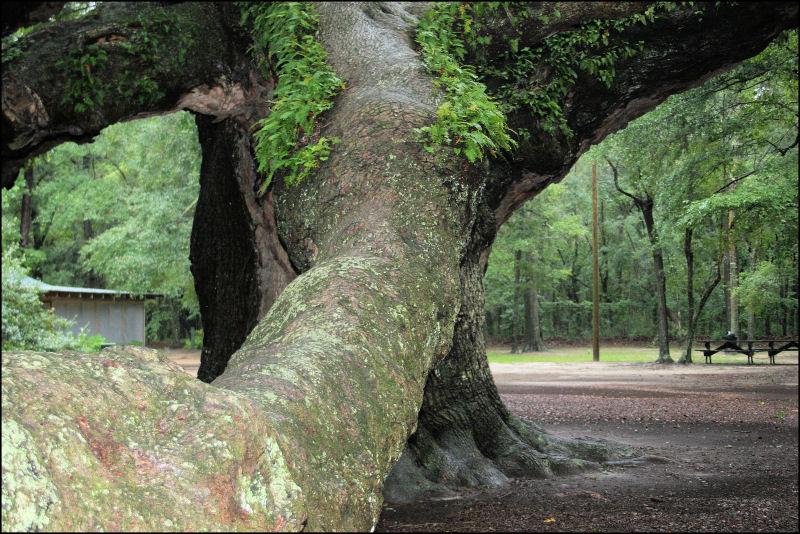
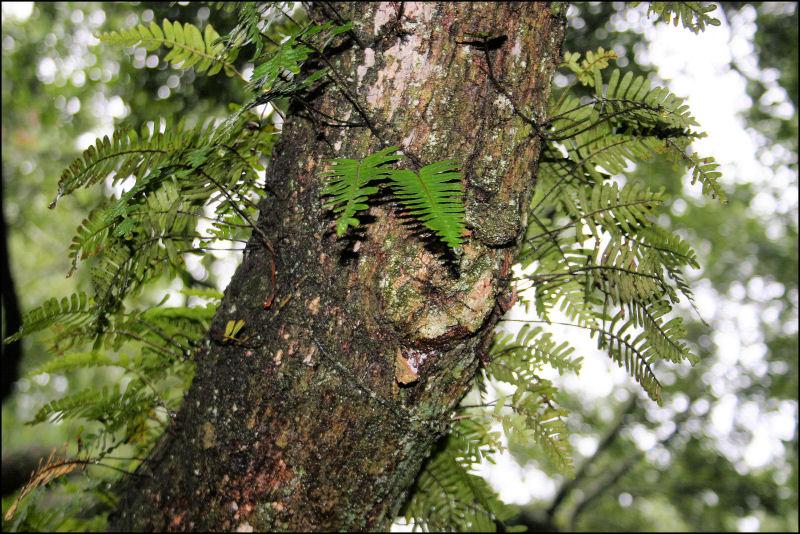
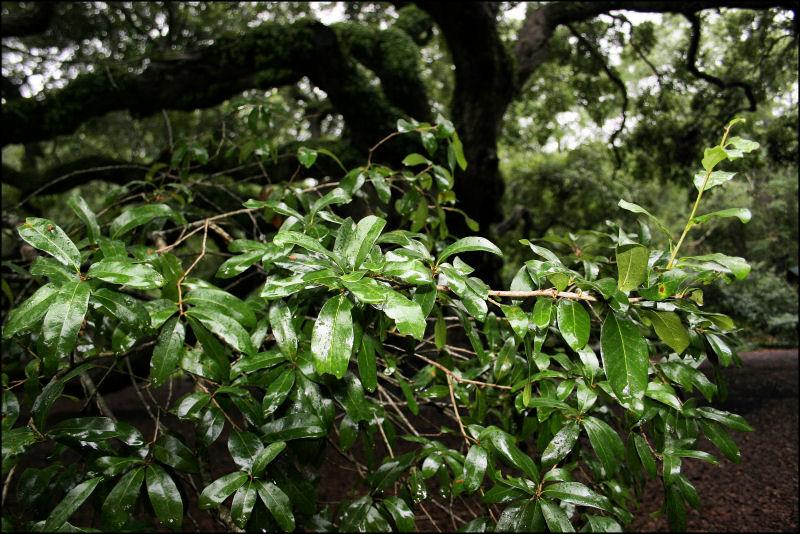
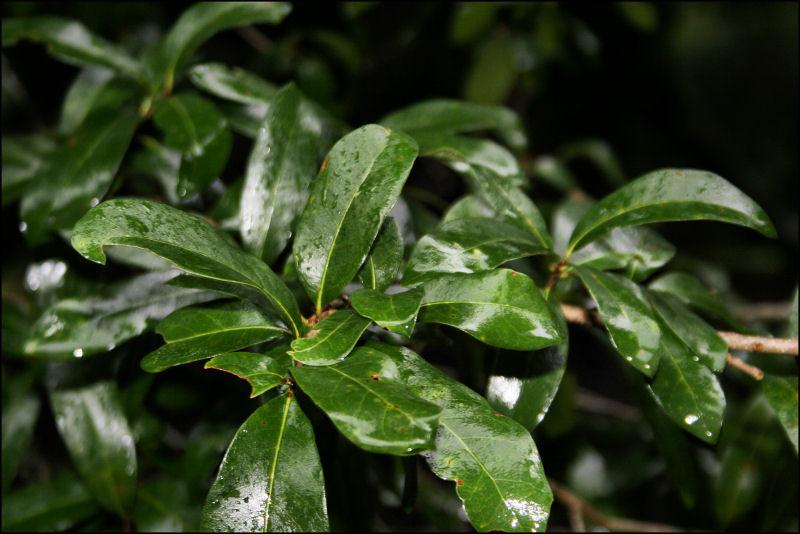
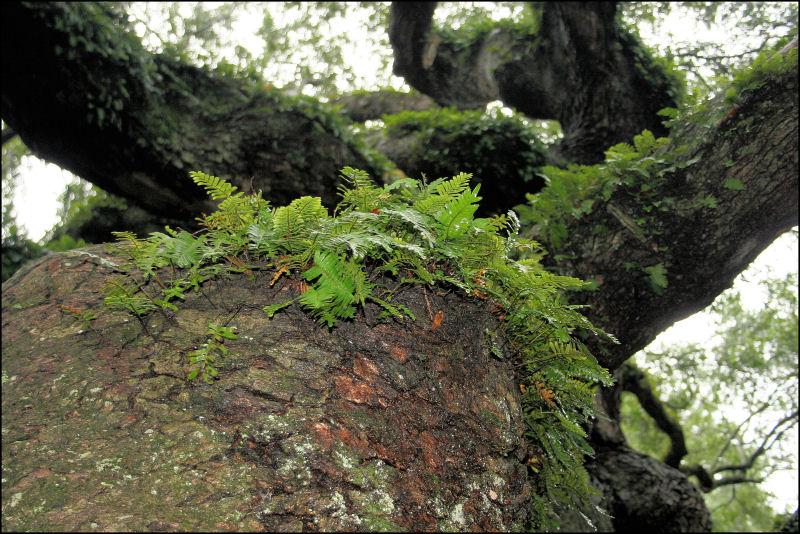
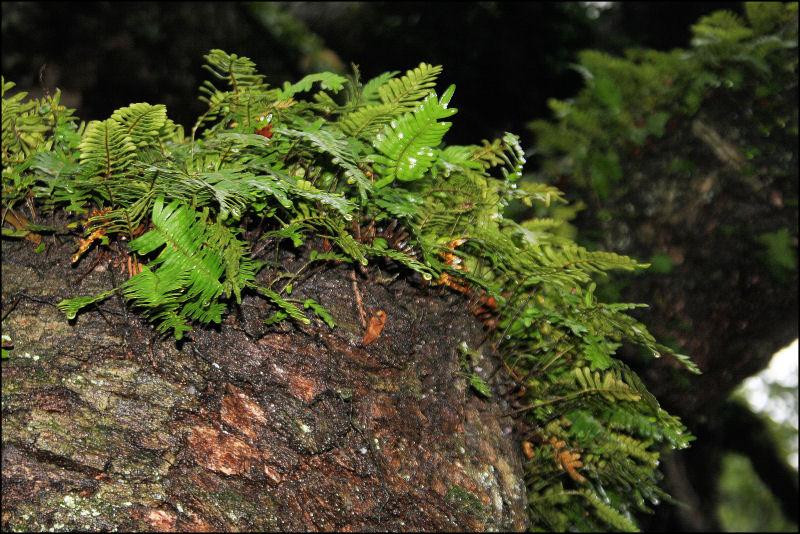
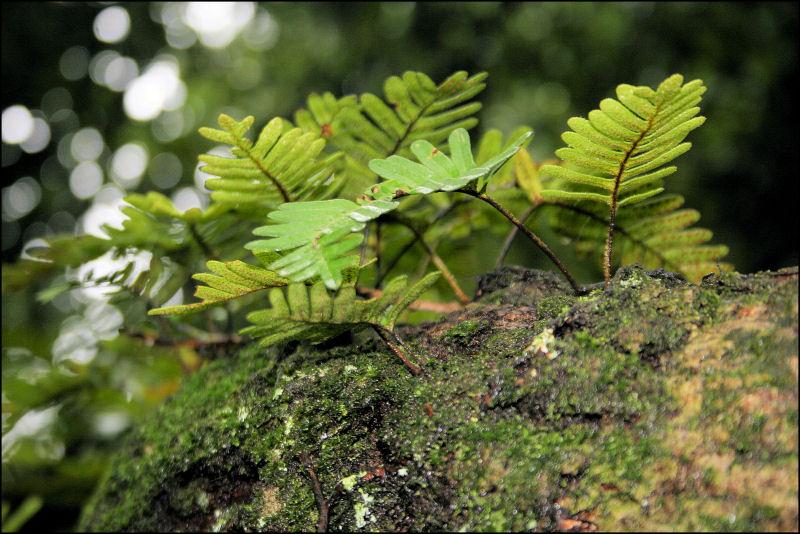
According to after the Category 5 Hurricane Hugo hit the coast of in 1989, Governor Carroll Campbell is reported to say that the storm destroyed enough timber in South Carolina to frame a home for every family in the state of West Virginia. All those trees and forests obliterated, yet The Angel Oak survived. It has since healed injuries inflicted by Hurricane Hugo.
Date: January 14th, 2009 | Comments : none | Categories: Animals, conservation, Elements, Environmental issues, Landscape, Summer, Texas, Travel USA.
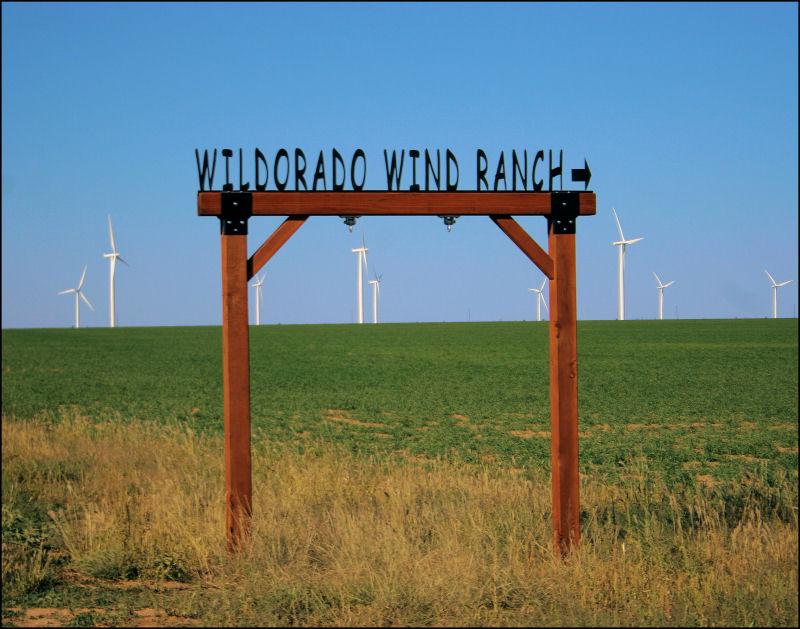
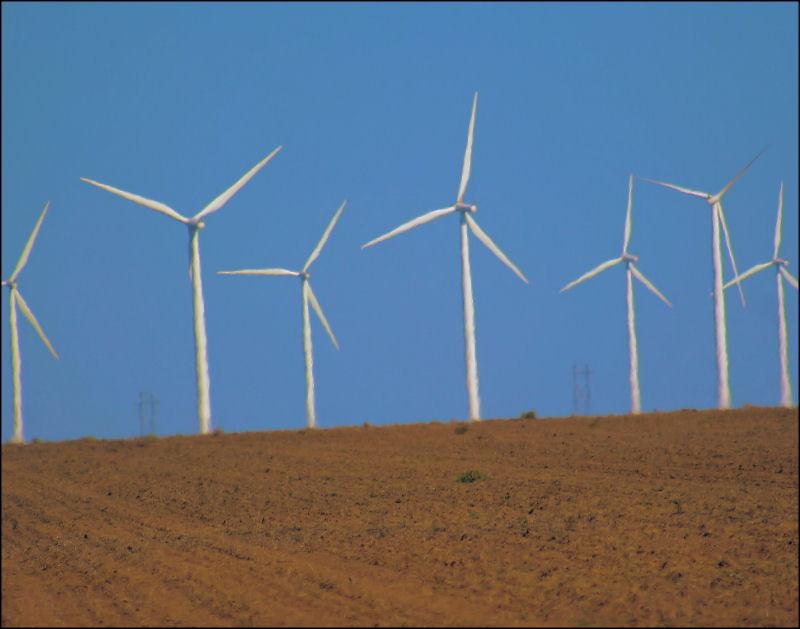
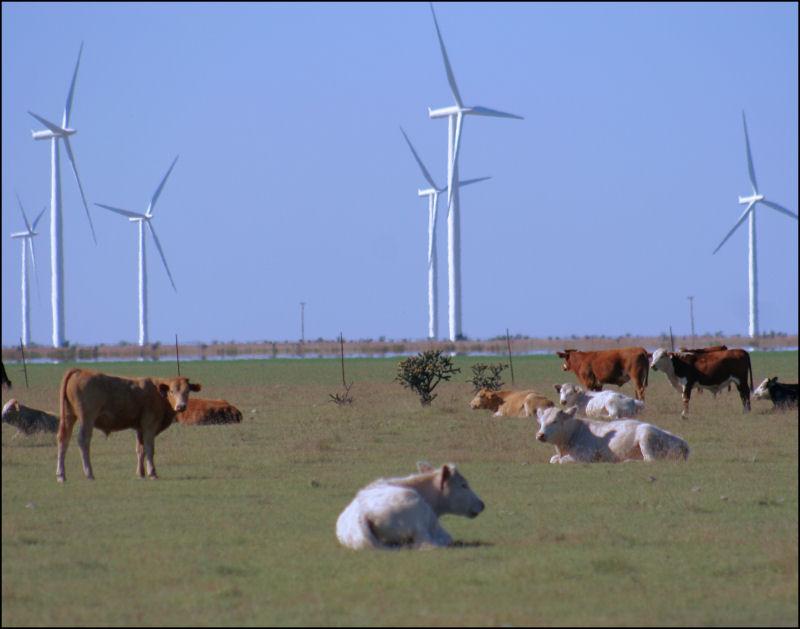
Wildorado Wind Ranch
Creating fields of renewable energy themselves, a herd of cattle leisurely does what cows do best on a warm summer day, twenty five miles west of Amarillo, just outside Adrian, Texas at the Wildorado Wind Ranch where there are 70 wind turbine generators spanning the horizon. Each turbine measures 450 ft. from ground to the tip of one of three blades. Wind will generate power to parts of eight southern States: Texas, New Mexico, Oklahoma, Colorado, Kansas, Oklahoma, Arkansas and Louisiana.
Date: November 16th, 2008 | Comments : none | Categories: Design, food, Fruit, Garden, Green, pink, Seasonal, Series, Summer, Texas, USA.
___________________________________________________________________________
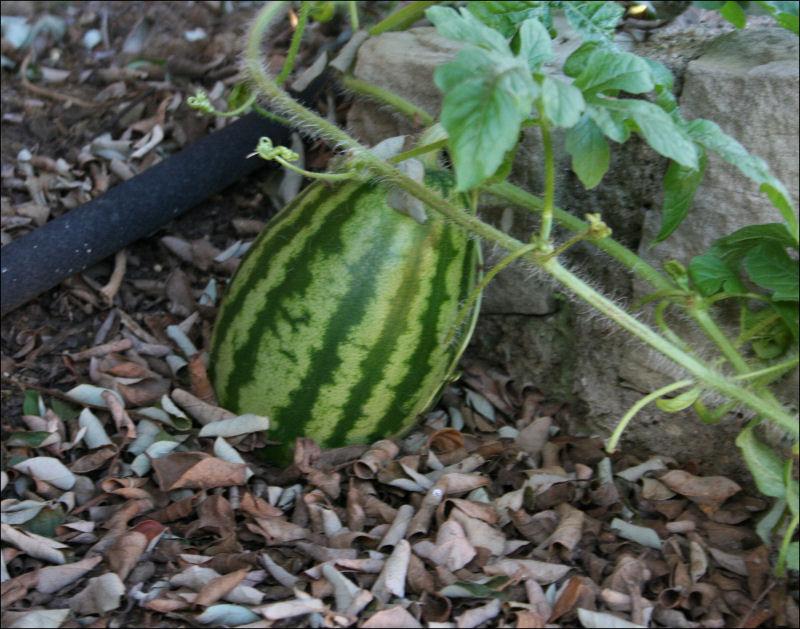
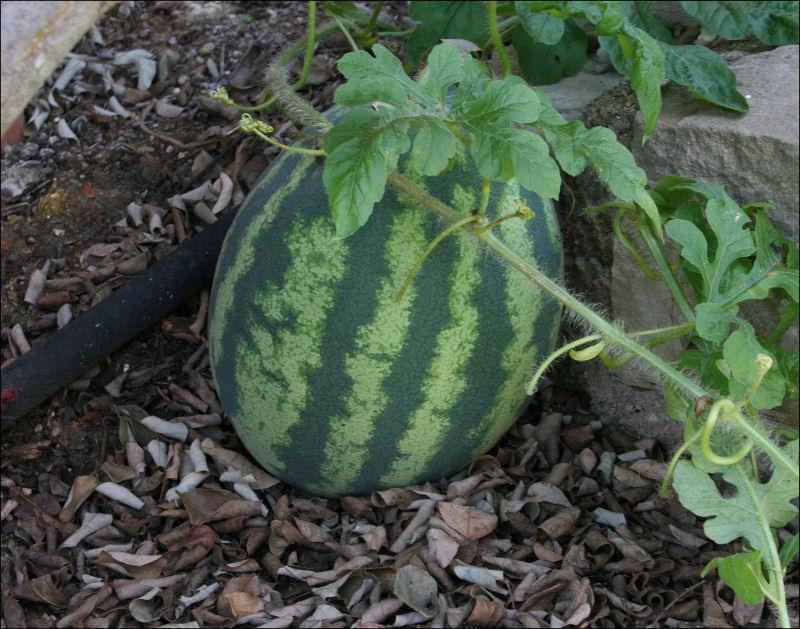
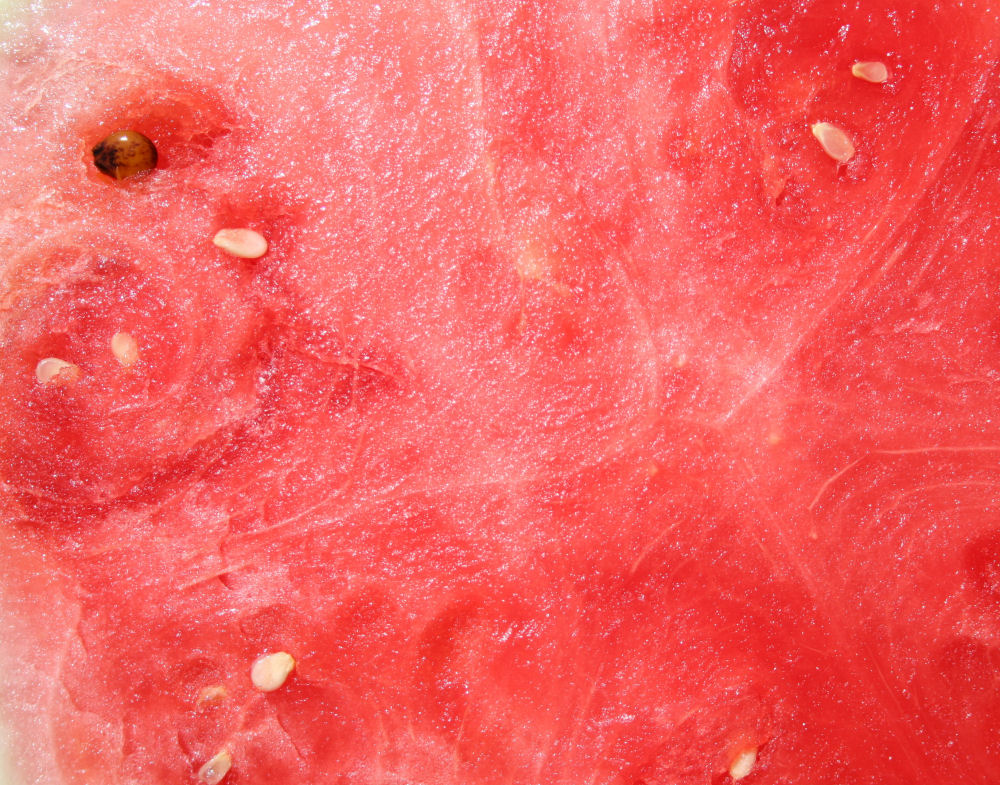
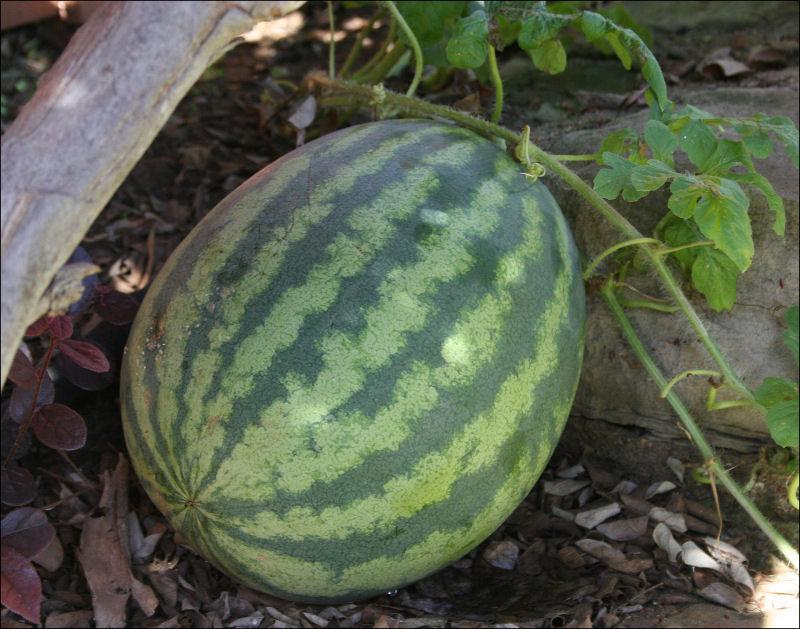 One of the fun things about gardening is that you can never predict the exact outcome of a planted seed. Even seedless things insist on having seeds in them sometimes. Such was the case with the mother of this watermelon, apparently seedless, it had only one. This series of photos were taken on Sept.19th, 25th, Oct. 25th and 27th, and Nov. 16th (2008).
Date: November 15th, 2008 | Comments : none | Categories: fruit and veggies, Garden, Green, Leaves, Seasonal, Summer, Trees, USA.
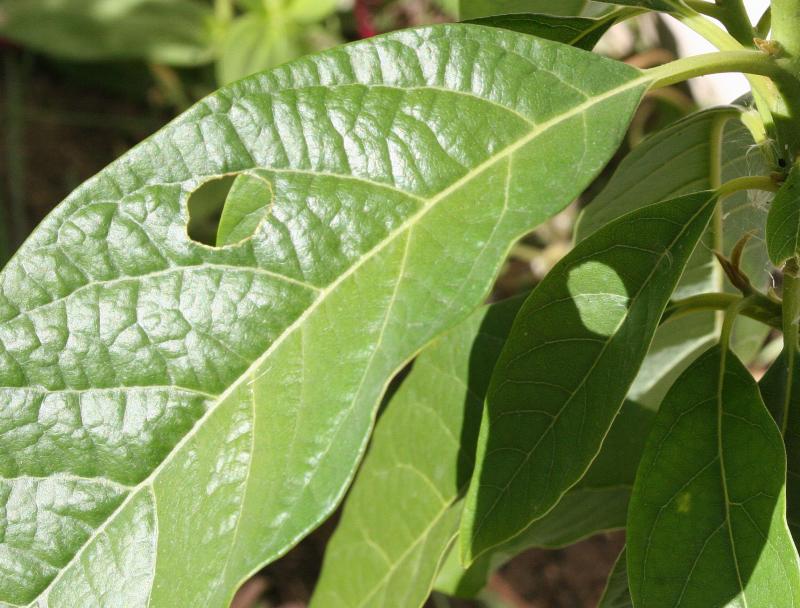 I haphazardly plunked a few avocado pits into the soil six years ago and one of them is now over seven feet high. However, it’s too close to the house and if I had known it would grow three feet in height and width this past summer I would have transplanted it somewhere smarter early last Spring.
In the South there are no basements and the foundations of houses are more susceptible to cracking and deterioration; maintenance and prevention is critical. Now, Avocados are supposed to develop fruit the seventh year…this one possibly next year. What to do? Should I move it next Spring to some location with completely different light and soil conditions and risk it dying, or allow it to do what it will and perhaps enjoy a few home-grown avocados (a dream come true for a northern gardener), knowing that next year’s roots will be anticipating serious business as far as where they establish themselves…most likely in our foundation and the accompanying sprinkler system. The best decision is to move it sooner than later. We may not live here long enough to enjoy the fruits of our labor, but hopefully this tree will reestablish itself and produce fruit sometime soon, and it’s cool to think that someone – whoever, whenever – will enjoy fresh avocados from it.
Site Search
-

Meta