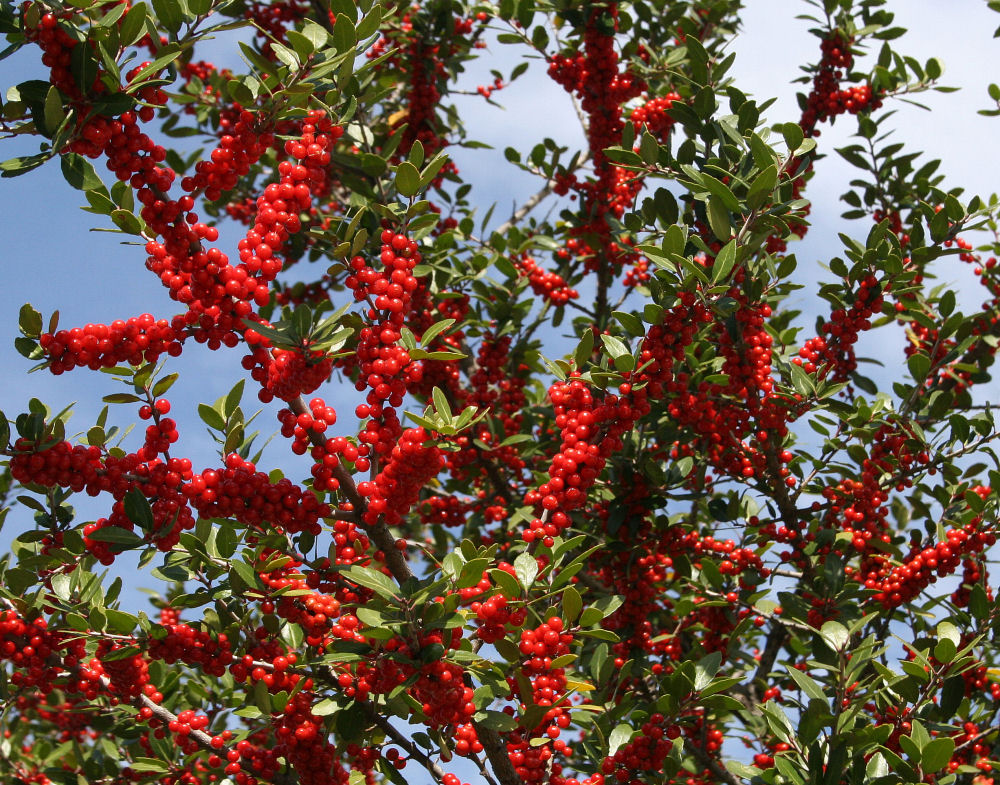
 Splashes of color on the Cotoneaster “Cornubia” in our next door neighbor’s yard… branches are redder on the other side of the fence! They will remain this way most of the winter, minus a few berries plucked by birds.
Date: November 27th, 2008 | Comments : none | Categories: Fruit, Garden, Leaves, red, Seasonal, Texas, Trees, USA, winter.
Date: November 15th, 2008 | Comments : none | Categories: fruit and veggies, Garden, Green, Leaves, Seasonal, Summer, Trees, USA.
Date: November 1st, 2008 | Comments : none | Categories: Autumn, Garden, Leaves, red, Seasonal, Texas, Trees.
Date: October 13th, 2008 | Comments : none | Categories: California, forest, Green, Summer, Travel, Travel USA, Trees, Urban and State Parks.
Date: October 11th, 2008 | Comments : none | Categories: Architecture, Autumn, Cultures, Landscape, New Mexico, Seasonal, Sky, Storms, Travel, Travel USA, Trees, USA.
Date: October 9th, 2008 | Comments : none | Categories: Autumn, Birds, California, conservation, Historic significance, Silhouettes, Travel, Travel USA, Trees, Unusual Interest, Urban and State Parks, USA.
Date: October 8th, 2008 | Comments : none | Categories: Autumn, California, Elements, Insects, Landscape, Moths and Butterflies, Shadows, Travel, Travel USA, Trees, Urban and State Parks, USA.
Date: October 6th, 2008 | Comments : none | Categories: Animals, Arizona, Birds, Mountains, Seasonal, Travel, Travel USA, Trees, Urban and State Parks, USA.
Date: October 5th, 2008 | Comments : none | Categories: Arizona, Autumn, Elements, Fruit, golden light, Landscape, Mountains, orange, rocks, Seasonal, Silhouettes, Smile, sunrise, Travel, Travel USA, Trees, Urban and State Parks, USA, winter.
Date: September 21st, 2008 | Comments : none | Categories: Moon, Seasonal, Silhouettes, Sky, Texas, Trees.
Date: September 4th, 2008 | Comments : none | Categories: Autumn, Design, Environmental issues, Green, Landscape, Leaves, Seasonal, Tennessee, Travel, Travel USA, Trees, Unusual Interest, USA.
Date: September 1st, 2008 | Comments : none | Categories: flowering trees, forest, Fruit, Green, Landscape, Seasonal, Summer, Tennessee, Travel USA, Trees, USA.
Date: August 26th, 2008 | Comments : none | Categories: Design, North Carolina, Summer, Travel, Travel USA, Trees, Unusual Interest, Urban and State Parks, USA.
Date: August 22nd, 2008 | Comments : none | Categories: City Streets, Elements, Historic significance, issues, Leaves, Seasonal, South Carolina, Storms, Summer, Travel, Travel USA, Trees, USA.
Date: August 2nd, 2008 | Comments : none | Categories: Birds, flowering trees, Garden, pink, Seasonal, Summer, Texas, Trees, USA.
Date: November 15th, 2008 | Comments : none | Categories: fruit and veggies, Garden, Green, Leaves, Seasonal, Summer, Trees, USA.
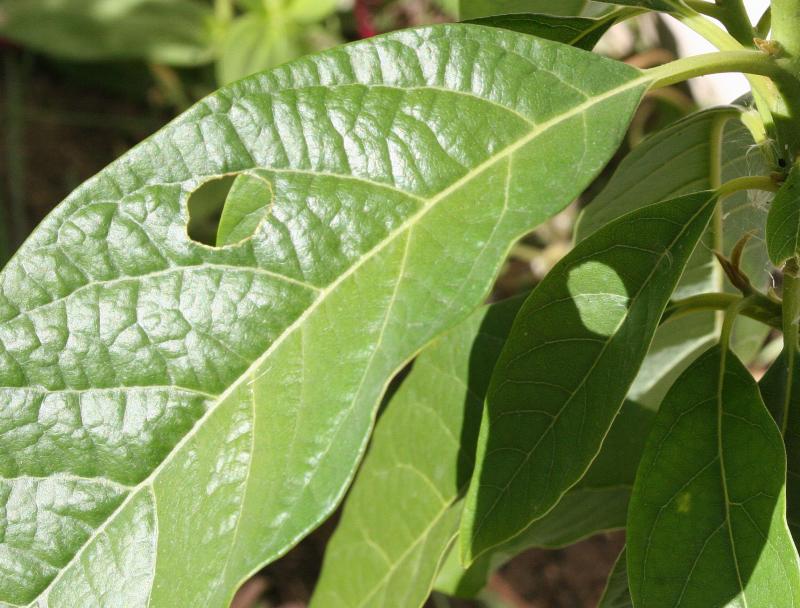 I haphazardly plunked a few avocado pits into the soil six years ago and one of them is now over seven feet high. However, it’s too close to the house and if I had known it would grow three feet in height and width this past summer I would have transplanted it somewhere smarter early last Spring.
In the South there are no basements and the foundations of houses are more susceptible to cracking and deterioration; maintenance and prevention is critical. Now, Avocados are supposed to develop fruit the seventh year…this one possibly next year. What to do? Should I move it next Spring to some location with completely different light and soil conditions and risk it dying, or allow it to do what it will and perhaps enjoy a few home-grown avocados (a dream come true for a northern gardener), knowing that next year’s roots will be anticipating serious business as far as where they establish themselves…most likely in our foundation and the accompanying sprinkler system. The best decision is to move it sooner than later. We may not live here long enough to enjoy the fruits of our labor, but hopefully this tree will reestablish itself and produce fruit sometime soon, and it’s cool to think that someone – whoever, whenever – will enjoy fresh avocados from it.
Date: November 1st, 2008 | Comments : none | Categories: Autumn, Garden, Leaves, red, Seasonal, Texas, Trees.
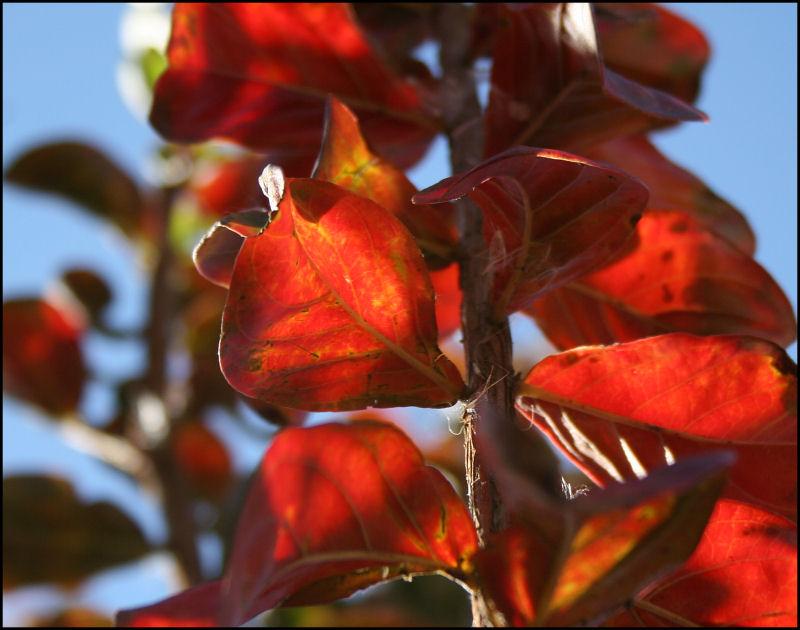
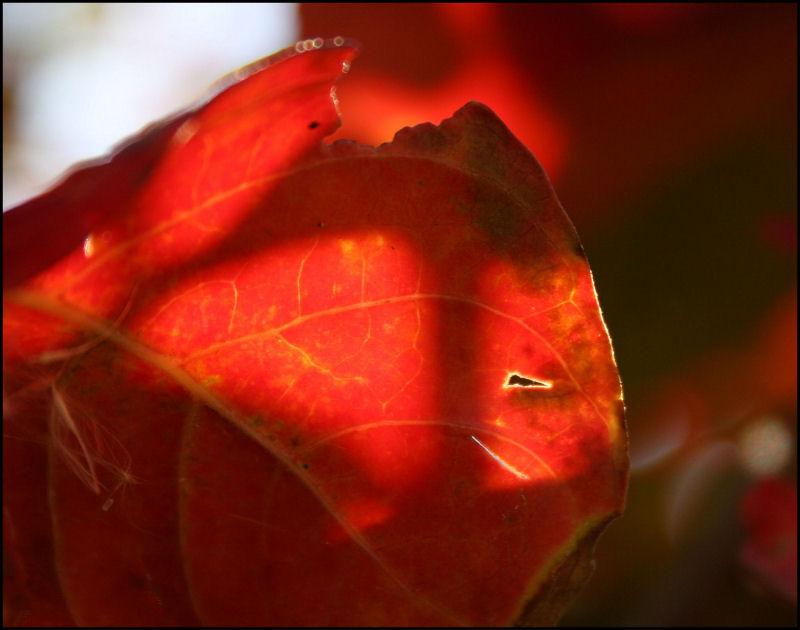 The changing seasons in Texas are not as dramatic as in the North. There’s more time to appreciate the cooler weather and enjoy the colors of lingering leaves. Autumn here is all about extremes though; AC on during the day and furnaces on at night. Petals in the wind blowing off the remaining white Crepe Myrtle flowers remind me of the snow already flying up north. It’s so beautiful today.
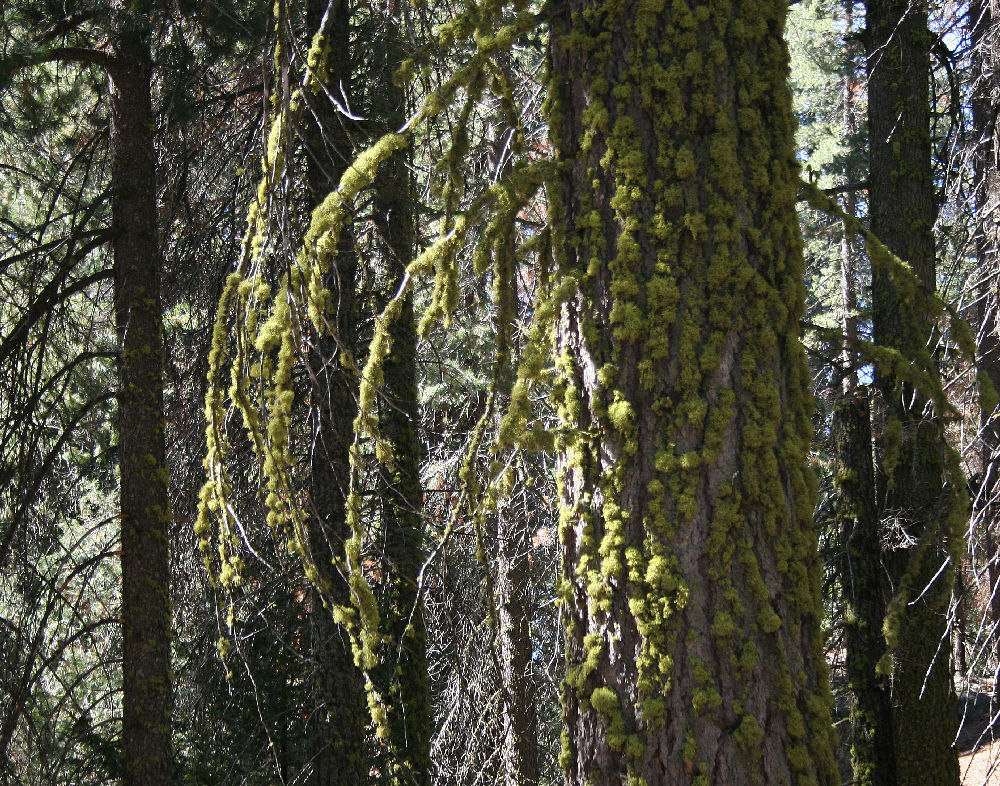
Date: October 13th, 2008 | Comments : none | Categories: California, forest, Green, Summer, Travel, Travel USA, Trees, Urban and State Parks.
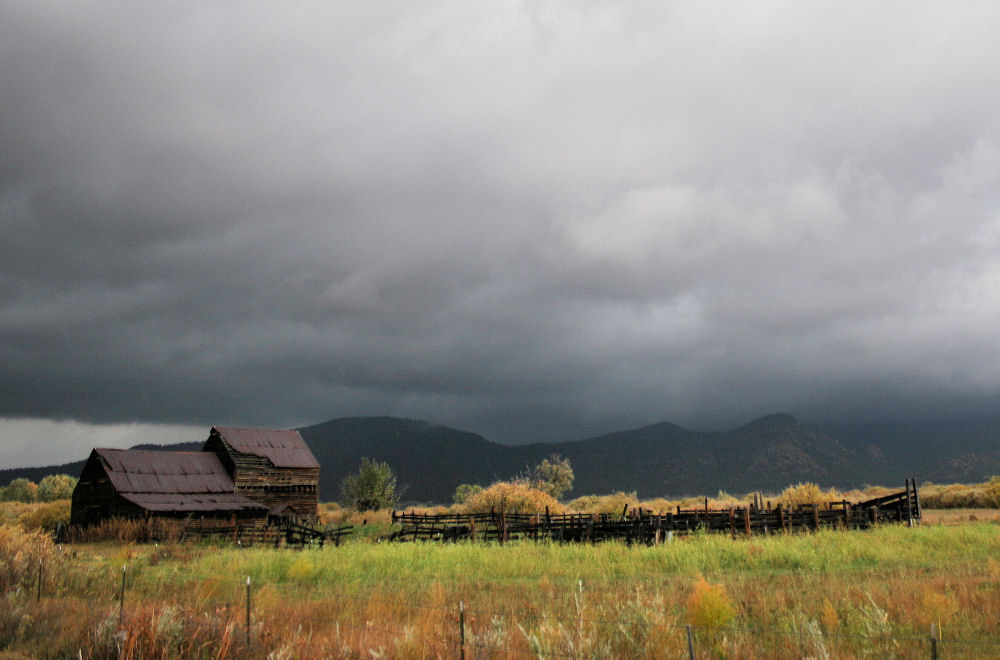
Date: October 11th, 2008 | Comments : none | Categories: Architecture, Autumn, Cultures, Landscape, New Mexico, Seasonal, Sky, Storms, Travel, Travel USA, Trees, USA.
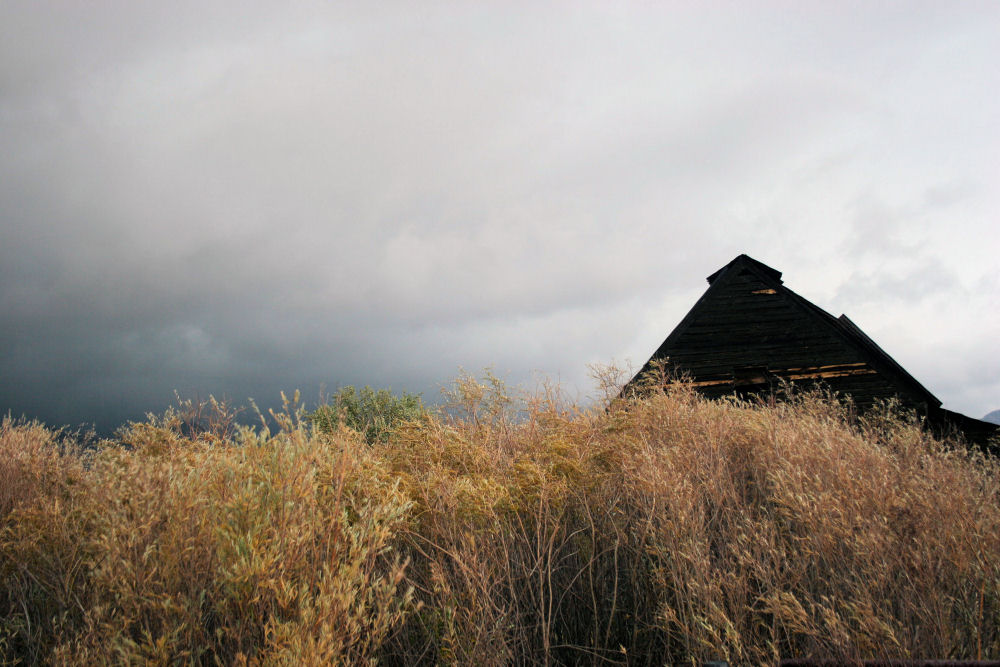 Old barn near Taos, New Mexico
___________________________________________________________________________
Date: October 9th, 2008 | Comments : none | Categories: Autumn, Birds, California, conservation, Historic significance, Silhouettes, Travel, Travel USA, Trees, Unusual Interest, Urban and State Parks, USA.
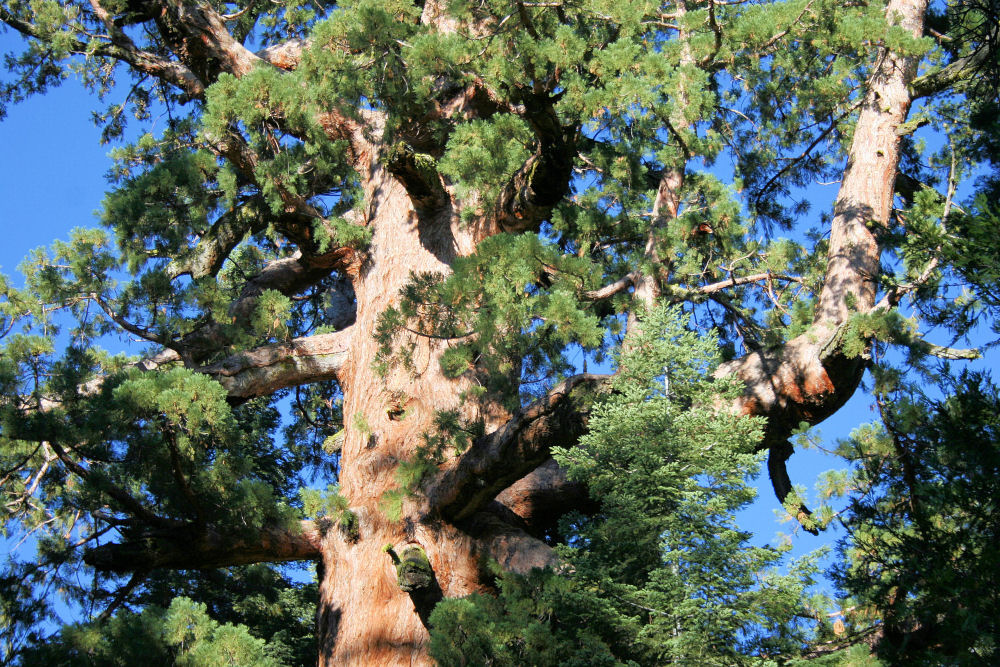
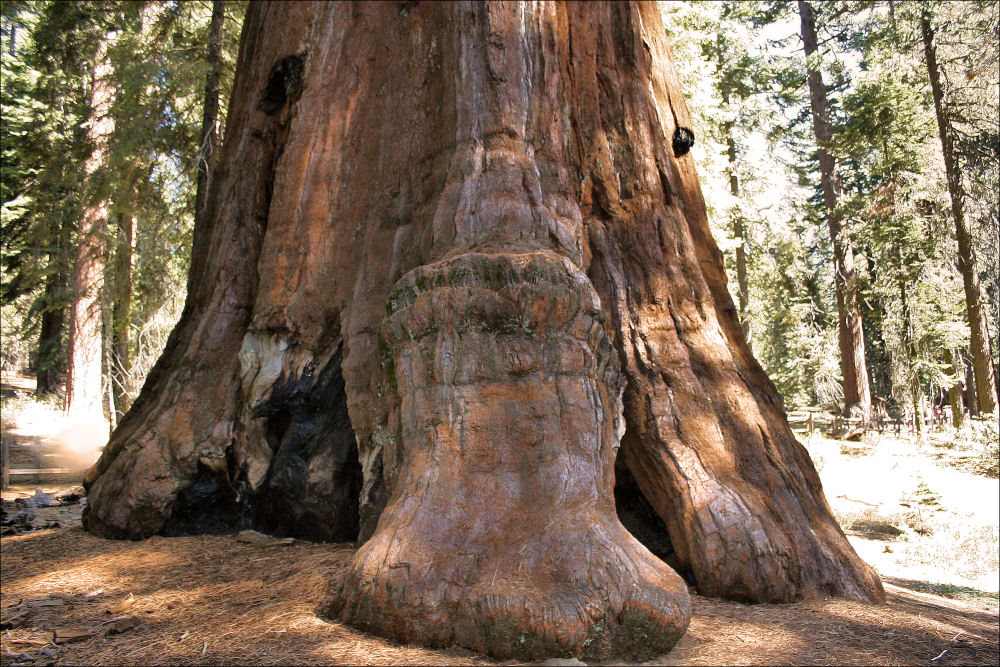
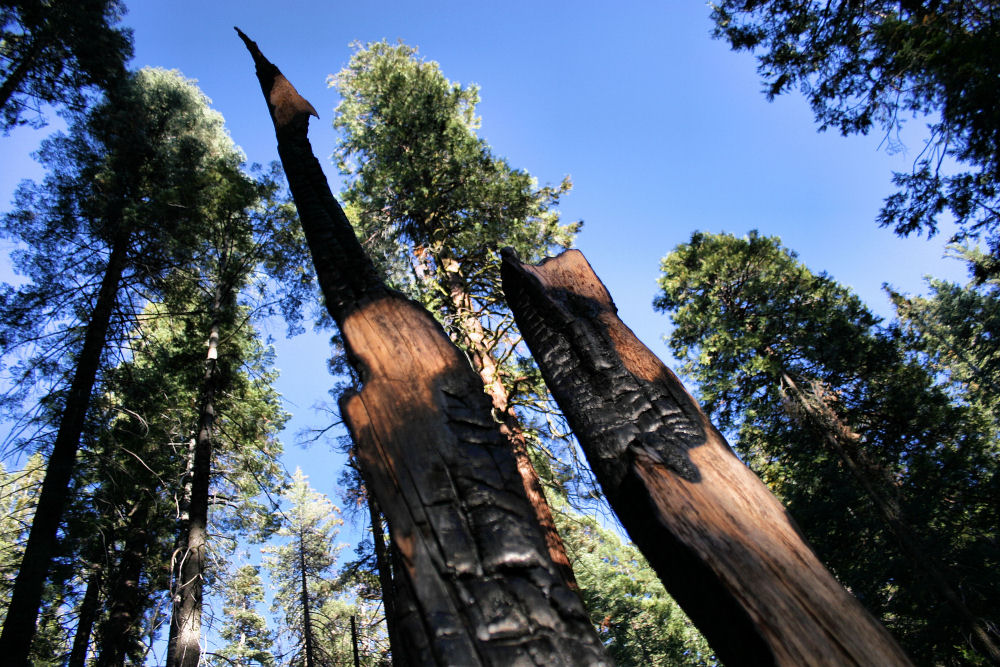
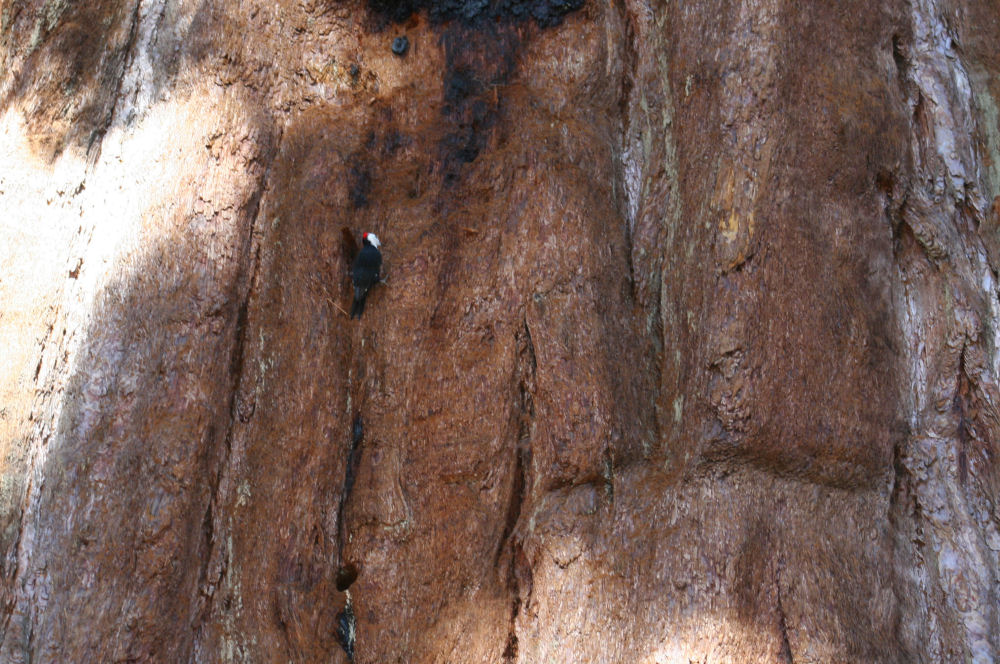
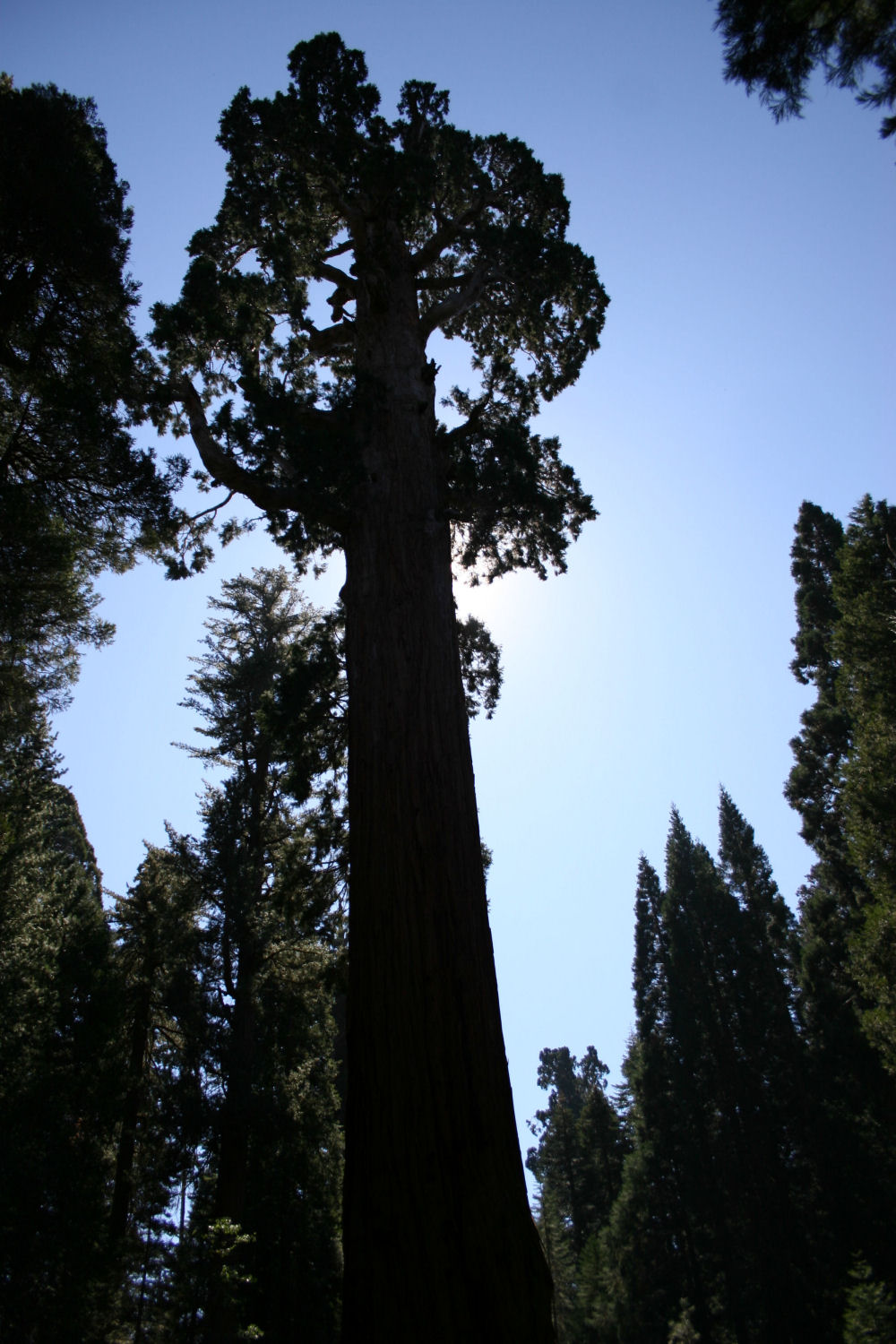 Sequoiadendron giganteum, Sequoia National Park, Mariposa Grove, Sierra Nevada, California
Giant Sequoias are among the oldest living things on Earth – the oldest known tree is 3,500 years old. Sequoias grow to an average height of 164–279 feet, or 50–85 metres, and 20–26 feet or 6–8 metres wide. Record trees have been measured to be 311 feet high (94.8 m). Visiting the Redwood and Sequoia forests in northern California needs to be on your bucket list..certainly, going back is on mine!
___________________________________________________________________________
___________________________________________________________________________
Date: October 8th, 2008 | Comments : none | Categories: Autumn, California, Elements, Insects, Landscape, Moths and Butterflies, Shadows, Travel, Travel USA, Trees, Urban and State Parks, USA.
_______________________________________________________________________________
_______________________________________________________________________________
Date: October 6th, 2008 | Comments : none | Categories: Animals, Arizona, Birds, Mountains, Seasonal, Travel, Travel USA, Trees, Urban and State Parks, USA.
___________________________________________________________________________

___________________________________________________________________________
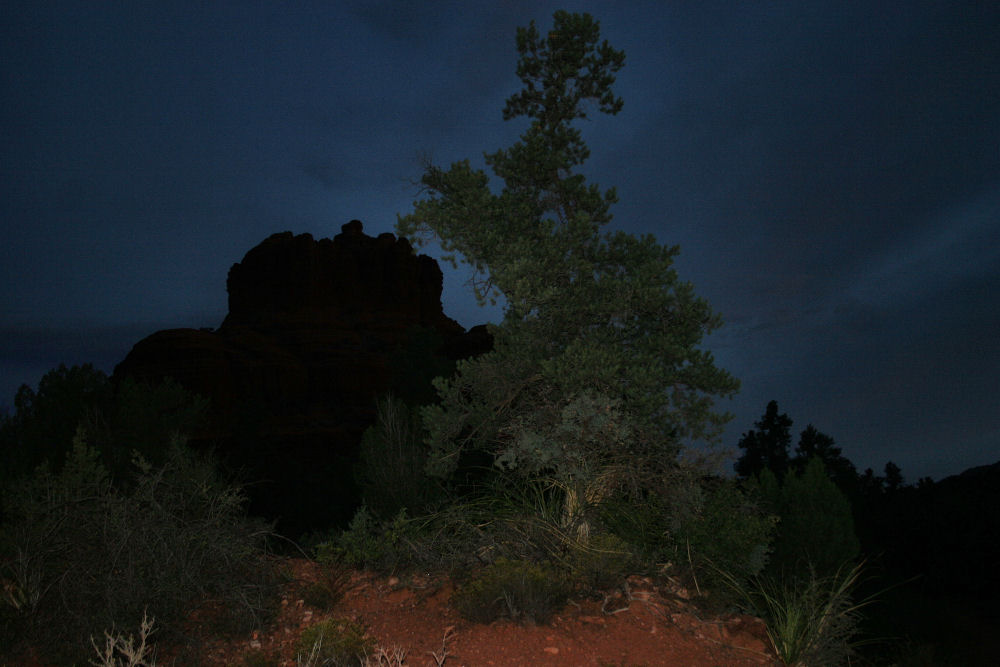
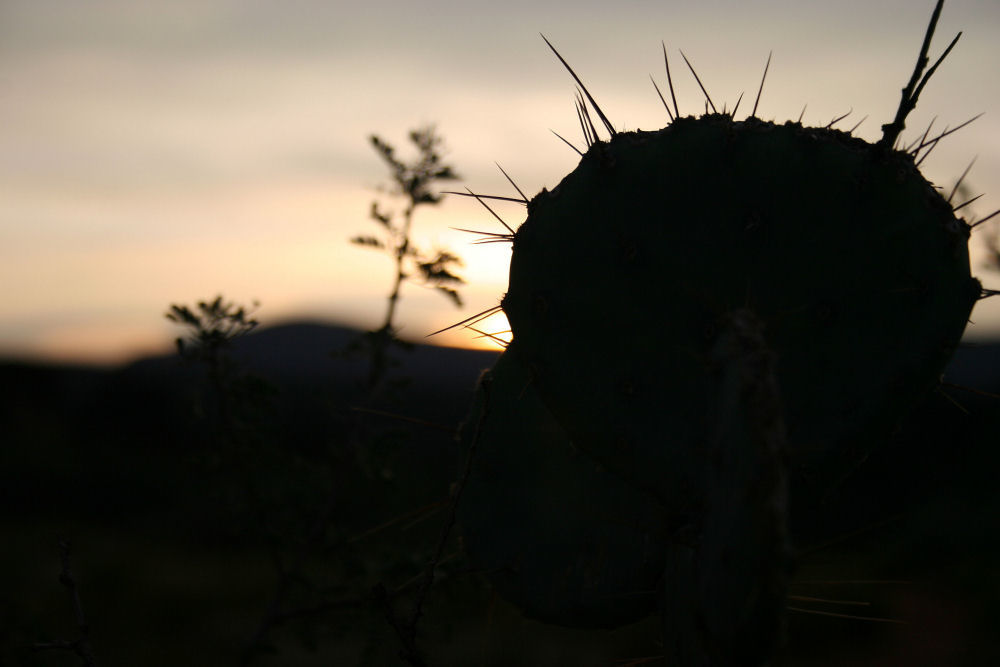
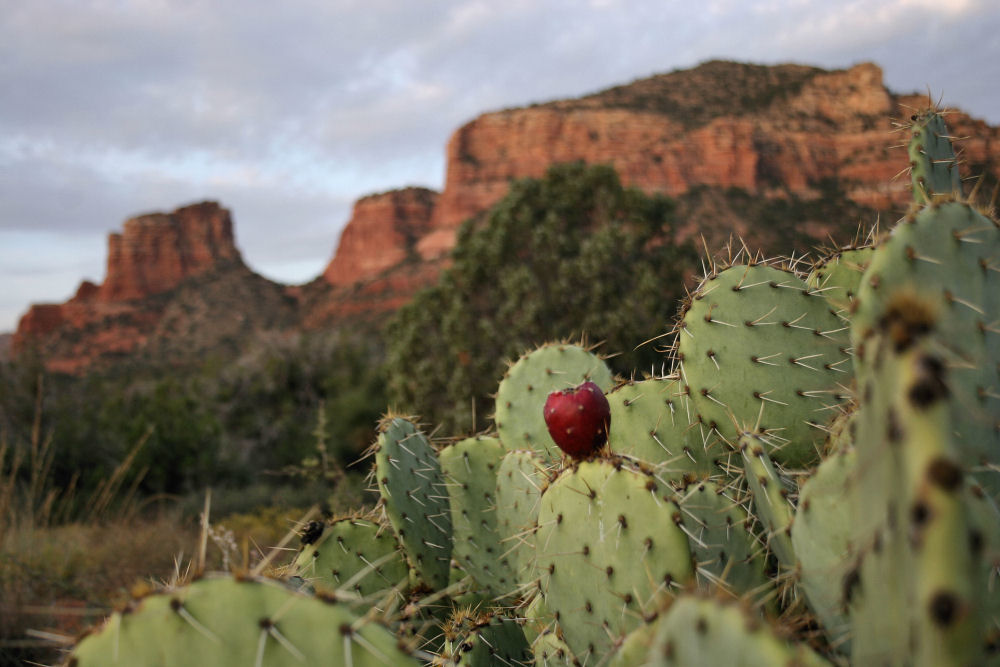
Date: October 5th, 2008 | Comments : none | Categories: Arizona, Autumn, Elements, Fruit, golden light, Landscape, Mountains, orange, rocks, Seasonal, Silhouettes, Smile, sunrise, Travel, Travel USA, Trees, Urban and State Parks, USA, winter.
_______________________________________________________________________________
_______________________________________________________________________________

Date: September 21st, 2008 | Comments : none | Categories: Moon, Seasonal, Silhouettes, Sky, Texas, Trees.
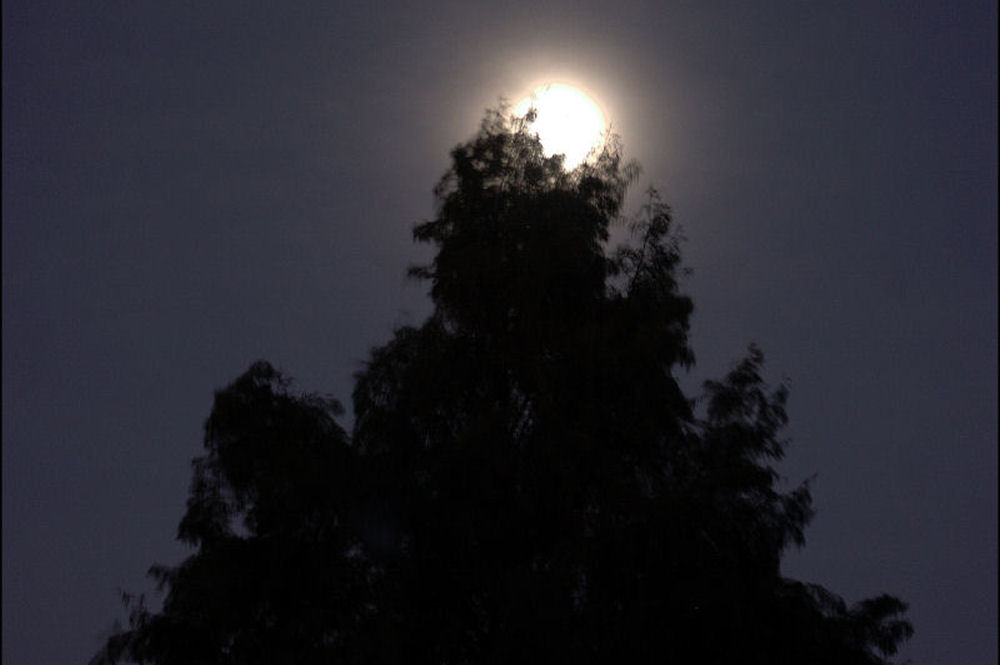 This is the most glorious tree in our neighborhood. It’s across our back alley and has been a favorite subject for many years because the silhouette is so beautiful against any sky during any season or time of day. The photo was taken nine days ago during the almost full moon on September 12th.
Date: September 4th, 2008 | Comments : none | Categories: Autumn, Design, Environmental issues, Green, Landscape, Leaves, Seasonal, Tennessee, Travel, Travel USA, Trees, Unusual Interest, USA.
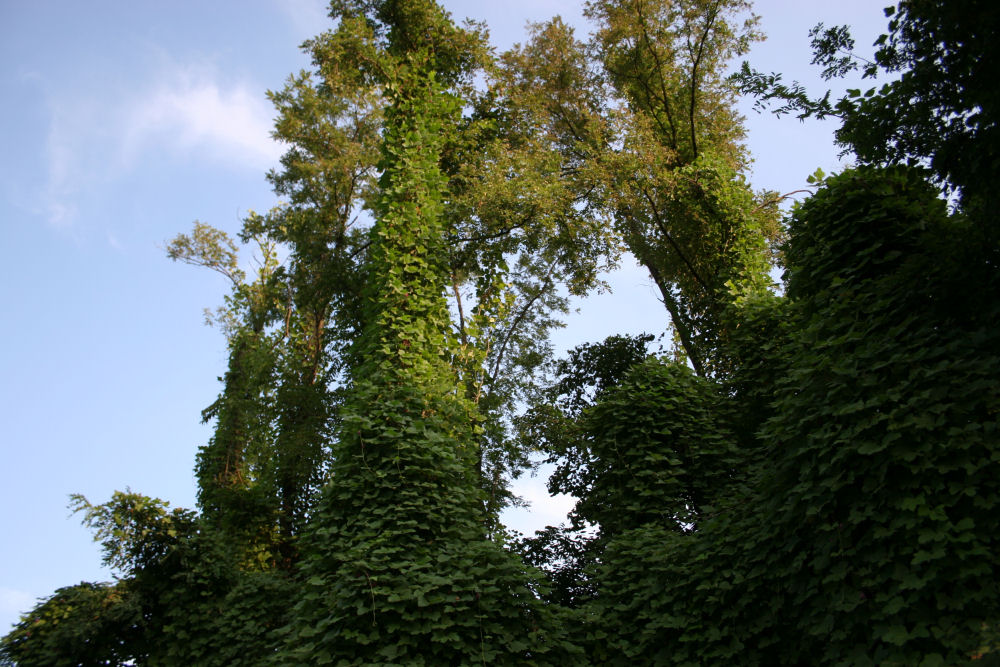
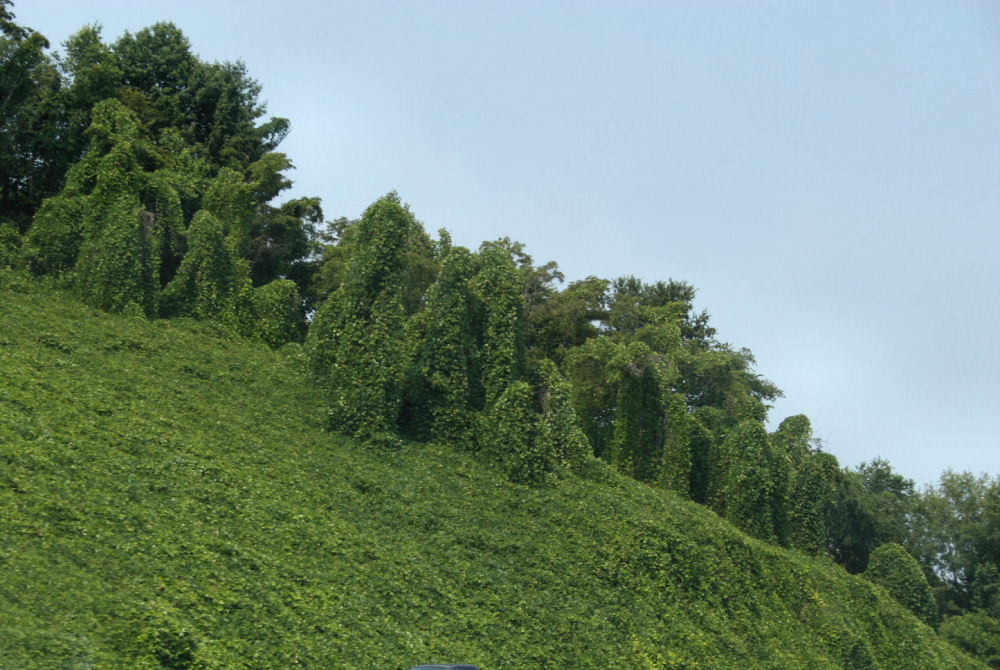
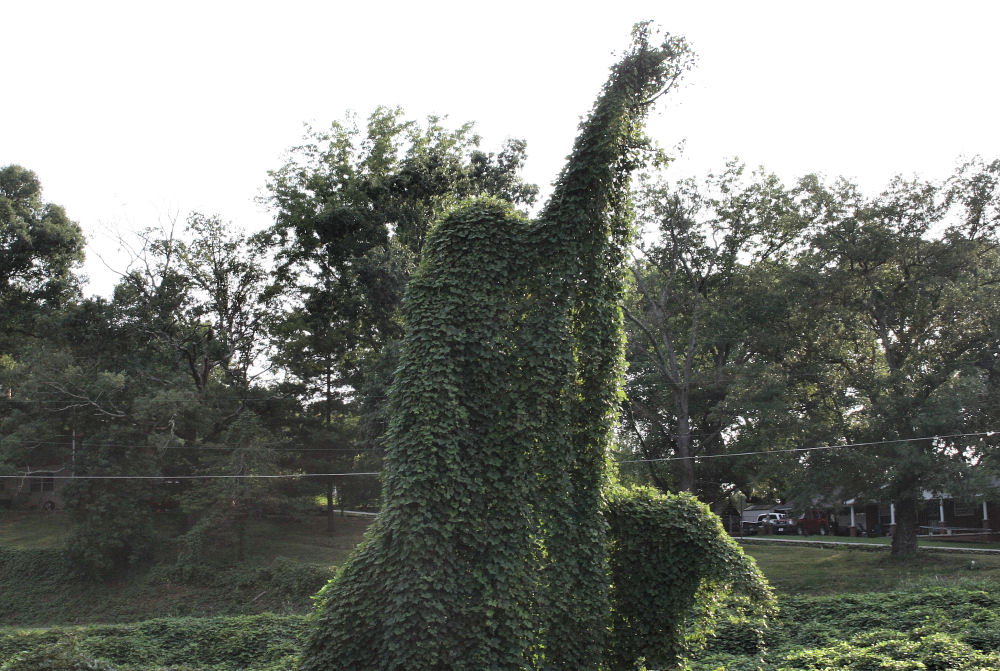
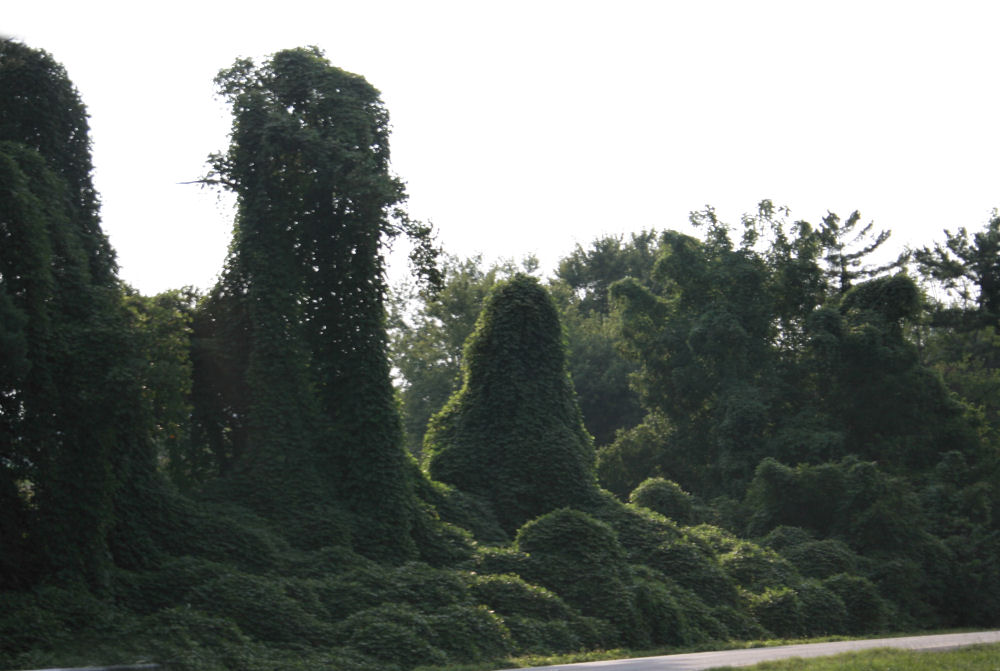
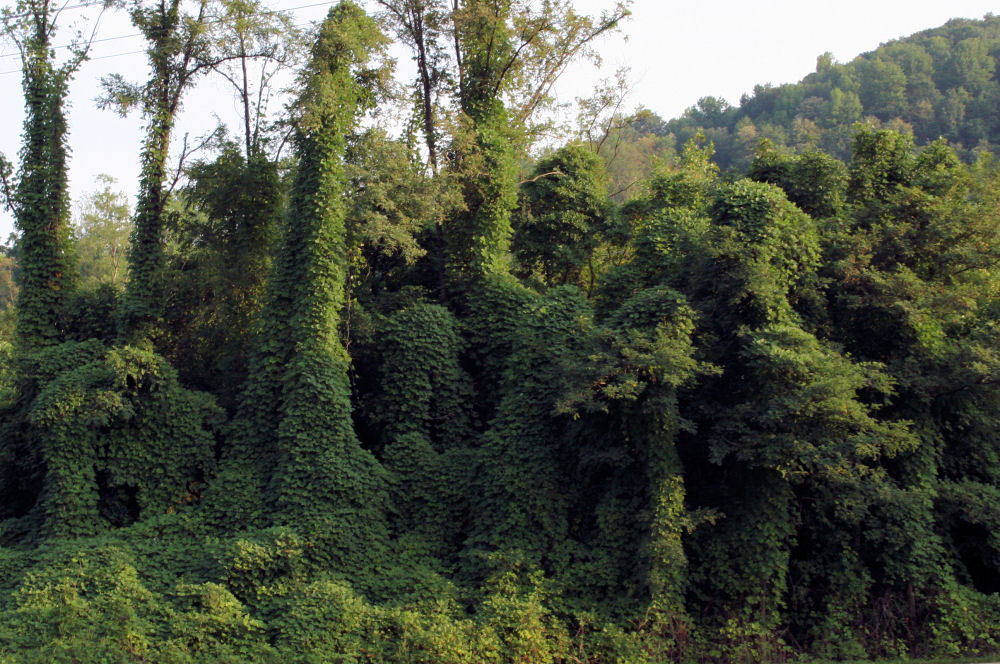 Kudzu, an invasive vine species covers trees in Southern USA, here in Tennessee, creating miles of sculptural shapes.
___________________________________________________________________________
___________________________________________________________________________
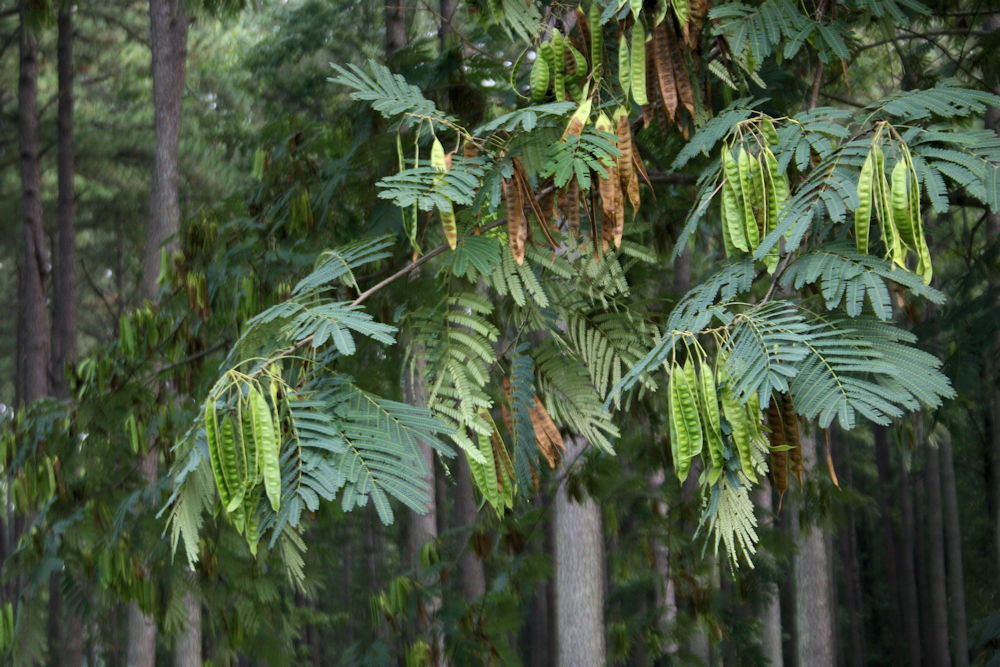
Date: September 1st, 2008 | Comments : none | Categories: flowering trees, forest, Fruit, Green, Landscape, Seasonal, Summer, Tennessee, Travel USA, Trees, USA.
Date: August 26th, 2008 | Comments : none | Categories: Design, North Carolina, Summer, Travel, Travel USA, Trees, Unusual Interest, Urban and State Parks, USA.
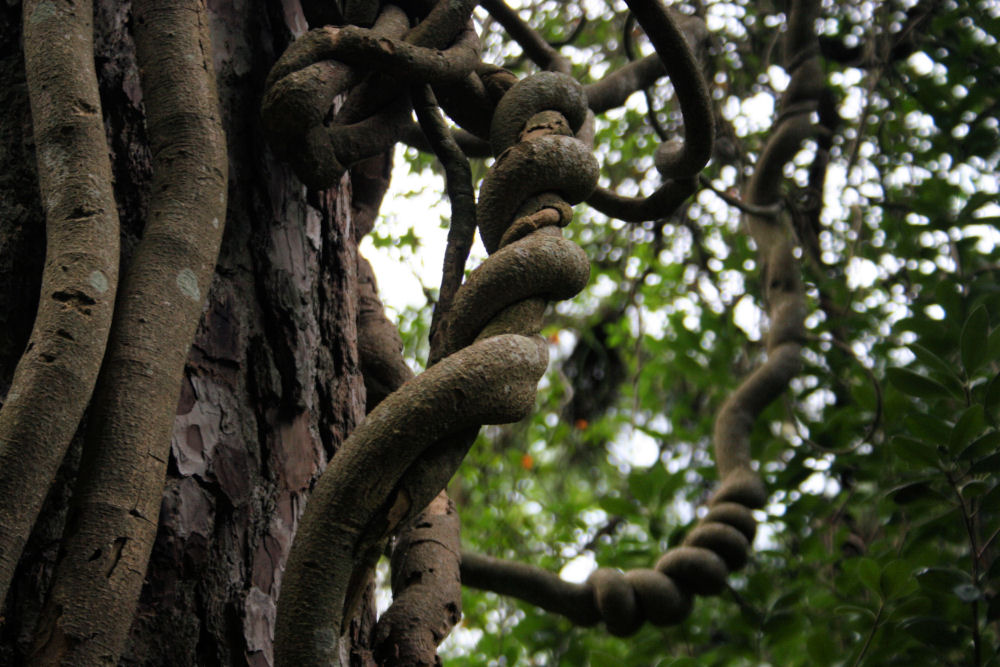 Twisting vines climbing the trees, Elizabethan Gardens, Manteo, NC
Date: August 22nd, 2008 | Comments : none | Categories: City Streets, Elements, Historic significance, issues, Leaves, Seasonal, South Carolina, Storms, Summer, Travel, Travel USA, Trees, USA.
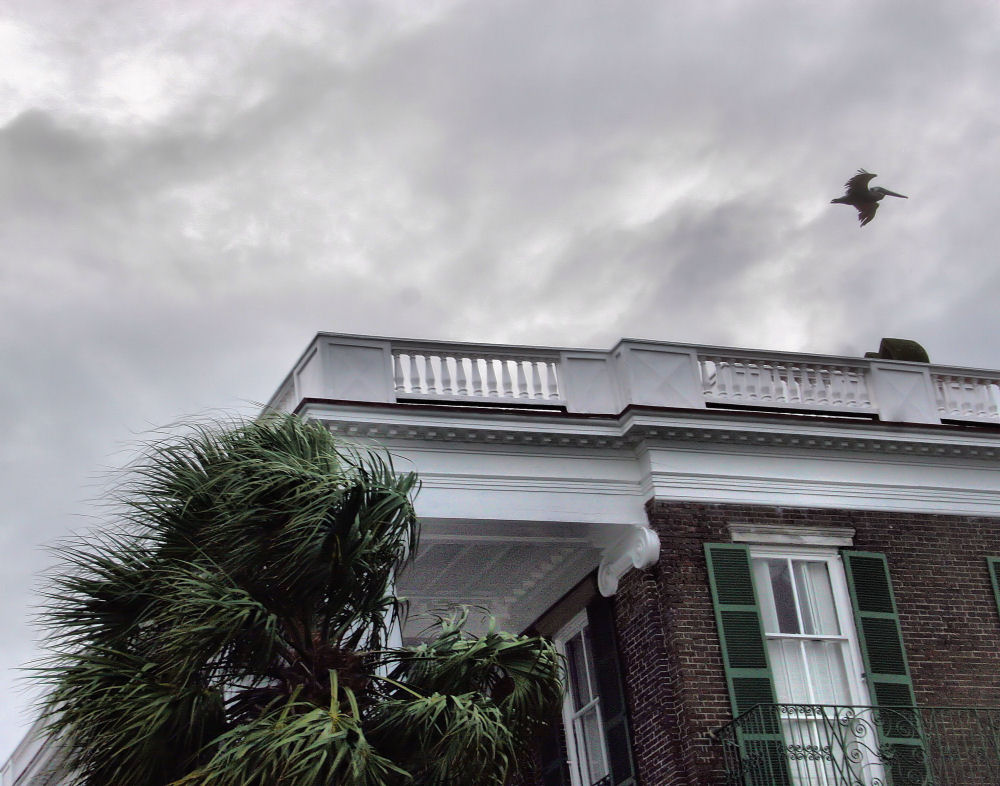 Pelican, Charleston, South Carolina during impending Hurricane Gustav
Date: August 2nd, 2008 | Comments : none | Categories: Birds, flowering trees, Garden, pink, Seasonal, Summer, Texas, Trees, USA.
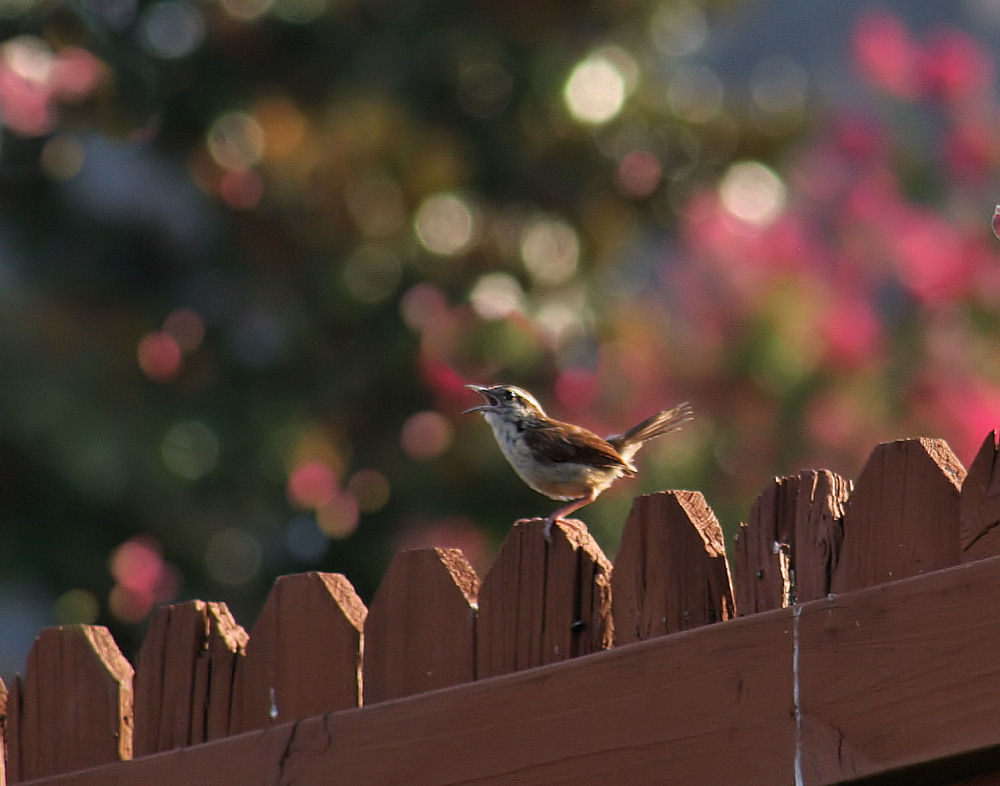 A little Wren chirps, perched on our fence every afternoon. Soft pink Myrtle trees bloom in the background.
Site Search
-

Meta